Spiritual meaning of Patmos: Revelation and Visions

Imagine being sent to a tiny island, wind scraping the rocks and salt on your skin. What if that exile became the clearest way to hear God?
On Patmos, where John was exiled (see Revelation 1:9-10), stark solitude opened a different kind of seeing. It's what we call being in the Spirit (a deep, Spirit-led awareness), and that kind of quiet often invites visions.
You don't need a dramatic exile to taste it. Try small, steady practices, five minutes of quiet breathing, a short "exile" journal (brief notes about what shows up in the quiet), or lighting a candle, and you may start to notice soft, urgent nudges.
I once sat on a stone bench with a candle, feeling the warm glow and the cool night air, and a single vivid image arrived. Have you ever felt that sudden clarity? Oops, let me rephrase, like a little bell in your chest, soft but insistent.
Spiritual meaning of Patmos: Revelation and Visions

Patmos is where John was exiled in Revelation 1:9–10. It’s a small, windswept island that stands for solitude and our human limits. But strangely, that very loneliness becomes fertile ground for being in the Spirit (a deep, Spirit-led awareness) and for receiving revelation (a vision or message from God).
John’s exile shows how restriction can open space for seeing differently. When our options feel small, our inner senses can grow bigger. Have you ever noticed a clear thought come in when everything around you is quiet?
Set a timer for 5–10 minutes each morning. Sit quietly, feel your breath, and jot the very first thought or body sensation that rises. Short. Simple.
Read Revelation 1:9–10 slowly once a day. After you read, write one question the passage brings up for you. Curious notes matter more than perfect answers.
Keep a short exile/reflection journal. After quiet time, write three lines about images, feelings, or a phrase that lingers. That’s your breadcrumb trail.
Make a tiny devotional spot with an icon or a candle. Light it for five minutes before you pray. Notice the warm glow and let it settle you.
This month, visit a quiet park or a church and sit for 20–30 minutes in focused presence. Listen to the wind, the creak of a bench, the steady rhythm of your breath.
Reserve one half-day each week (3–4 hours) for a simple rhythm: 20 minutes scripture, 60 minutes silence, 20 minutes journaling, and a short closing prayer. It’s a gentle container for deeper seeing.
Softly glowing. Take one of these practices and try it for a week. Then, if you want, tweak it and see what reveals itself. Oops, that sounded formal, just follow what feels right to you.
Scriptural anchor: Revelation 1:9–10

This passage pins John’s vision to a particular place and moment: exile on Patmos, the Lord’s Day (the community’s day of worship), and being in the Spirit (a trance-like, visionary state guided by the Spirit). Picture a small island, salt air, and a man held outside the town but wrapped in something larger than himself.
Exile names John’s forced removal from the community. It signals legal and social marginalization, loneliness, and a voice speaking from the edge. Have you ever felt pushed to the sidelines? That sense of exclusion shapes how his message comes across.
Saying the vision happened on the Lord’s Day ties it to worship-shaped time, Sunday rhythms, prayers, gathered attention. So the timing isn’t random; it roots the experience in the life of the church and its practices.
Being in the Spirit shows an altered, visionary stance (think deep spiritual immersion). This claim gives the narrator authority, his words aren’t just private thoughts, they’re offered as Spirit-led revelation.
The opening chapter sets a tight, constrained scene: exile, worship time, and Spirit-vision. Small setting. Big claim. That stage points the reader to the prophetic voice that will guide the rest of the book.
Symbolic motifs: isolation, powerlessness, and divine encounter
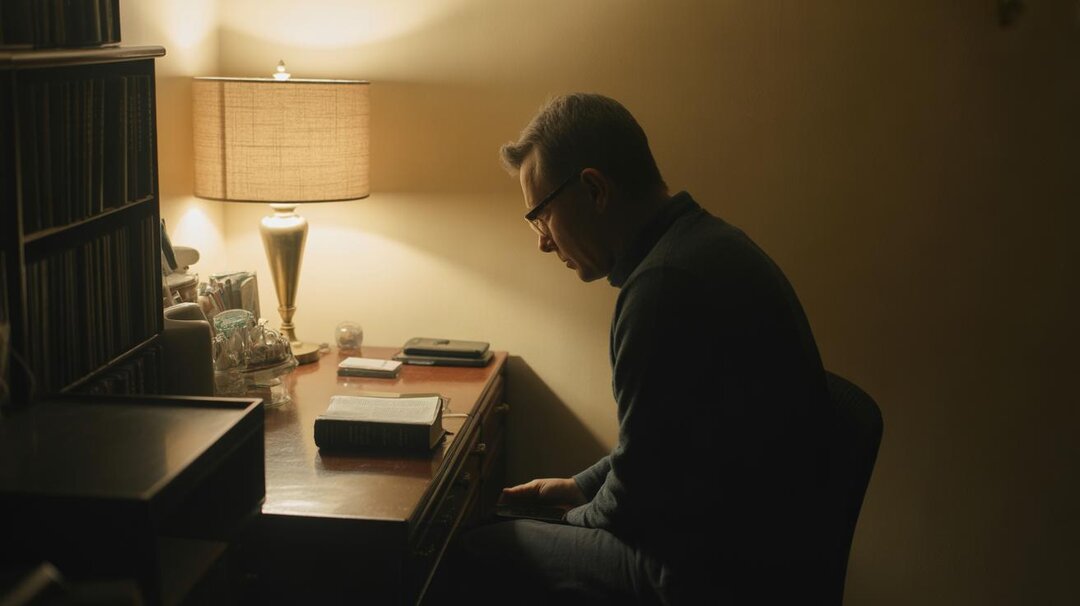
Patmos gathers three images in a tight, spare way: isolation, powerlessness, and a sudden opening into a visionary encounter. The place itself feels removed, like a quiet shore where the usual social ties and routines are pulled away.
Isolation here means being cut off from ordinary community and support, both socially and physically. It’s the scene-setting for something unexpected to happen.
Powerlessness names the loss of ordinary control, the moment when usual tools and influence stop working. The theological point is simple but important: that loss reshapes human agency. When the prophet can’t rely on normal means, authority shifts from personal force to joining in a Spirit-shaped witness (Spirit meaning the living presence of God). For the exact phrase about being moved by Spirit, see the "Scriptural anchor" section.
That shift helps explain why voices from the margins come across as communal testimony rather than private claims. It’s like a many-voiced chorus replacing a single loud speaker, and the message reads as public concern rather than one person’s boast.
We find echoes of this in other texts. Ezekiel has his visions while living among exiles (people forced away from their homeland), which models prophecy coming from the edge. Jeremiah’s laments and imprisonments show how constraint can sharpen urgent public speech. Have you ever noticed how being constrained can make words feel weightier and more shared?
Example phrasing to keep in mind: "Powerlessness strips away personal clout so the prophet’s word stands as a communal testimony, not a private claim."
Sacred sites and pilgrimage

Patmos feels like a short, physical Gospel, rocky shores, narrow lanes, and stone buildings that seem to whisper the story of John’s exile and vision. Walk slowly here and you’ll notice how the island itself asks you to slow down, listen, and let memories settle into your hands and feet. It’s a place that encourages quiet attention, not loud sightseeing.
At the center are the Cave of the Apocalypse and the Monastery of St. John the Theologian. In the cave you feel cool stone under your palms and the drip of water in the dark, a setting that naturally turns you inward and invites prayer. Quiet. You might sit for a long moment and wait for an image or thought to rise.
Up on the hill the monastery gathers relics and rare manuscripts and offers icons (sacred images) that act like windows for focused attention. The liturgies there anchor a shared rhythm, simple chants, incense, the steady toll of ritual, that helps visitors join a living tradition that keeps John’s vision alive in church memory. It’s both communal and deeply personal.
Archaeological traces, Kathismata cave cells (small hermit cells), carved rocks, and ritual water reservoirs, add a hands-on layer to the story. These are not just ruins; they’re material signs of solitary practice and a pared-down monastic life. They remind you people lived here in ways that used their bodies and the landscape to pray.
Patmos is also a UNESCO site, which highlights how natural and built features have been cared for over centuries. Stones, icons, caves and the rhythm of worship work together so that apostolic memory stays present for worshipers and curious travelers alike. Have you ever found a place that keeps calling you back? This is one of those places.
- Cave of the Apocalypse - a dim, echoing chamber where cool stone and dripping air invite long, seated prayer and inward listening.
- Monastery of St. John the Theologian - a hilltop complex where relics (physical remains or objects linked to saints), icons (sacred images), and regular liturgies shape communal devotion.
- Kathismata cave units - small hermit cells that model solitude and a pared-back life of prayer for those practicing seclusion.
- Kalikatsou rock and ritual water reservoirs - carved features tying pilgrimage to older rites and bodily acts of purification or remembrance.
- Prophiti Elias (panoramic viewpoint) - a high spot for slow contemplation where sea, sky, and stone open a wide prayer that quiets the mind.
Retreats and daily practices

A Patmos-style retreat is about gentle attentiveness. It’s short, focused scripture reading, a tuned listening posture, and simple practices that help you notice inner images or quiet promptings. Think of it as a soft container for stillness and careful reading, not a performance.
Pick a regular spot and a clear time. Try 30 minutes each morning for daily recentering, one half-day each week (3 to 4 hours) for deeper listening, and one full day each month for a longer pattern of reading, silence, and reflection. Choose a quiet corner. Light a candle or place an image to mark that this is a different kind of time.
- Prepare your space and ritual items (5 to 10 minutes). Clear a small surface, light a candle, set out an icon or photograph, and set a timer so you’re not clock-watching.
- Opening scripture reading (10 to 20 minutes). Read Revelation 1:9–10 slowly or another short passage and notice any words that land in your chest. Let them sit there a moment.
- Silence and centering practice (15 to 30 minutes). Sit with breath awareness or a simple centering phrase. Notice body sensations and thoughts, and let them pass without chasing them.
- Contemplative reflection or journaling (10 to 20 minutes). Write whatever images, words, or questions showed up. Don’t edit, just put it down.
- Visual focus or art meditation (10 minutes). Look at an icon, a small photo of Patmos sites, or a simple drawing. Notice what feelings or memories it brings up.
- Closing prayer and short notes (5 to 10 minutes). Offer a brief thanksgiving or petition. Jot one sentence about what you’ll carry into the day.
If your schedule is tight, split the pattern into micro-seclusions. Two 10-minute sits and a 10-minute journaling session spread across a day add up to real rhythm over a week. Keep the same doorway ritual each time, lighting a candle or ringing a bell, so even short practices feel like a return to intention.
Make the space sensory. Notice the warm glow of candlelight, the soft hum of the room, the weight of the book in your hands. Little details help your heart settle.
By the way, I once tried a full-day retreat with only a pocket notebook and an old photograph. It surprised me how much showed up. Have you ever had a short practice turn into a deep moment? Um, those are the sweet surprises.
When you can, glance back at the Scriptural anchor section for the canonical text, and use the Sacred sites and pilgrimage notes for ideas about tactile objects or images to keep at your retreat spot.
Spiritual meaning of Patmos: Revelation and Visions

Early Christian writers, called patristic writers (early Christian theologians), kept coming back to John’s exile vision on Patmos. They treated it like a touchstone for prophecy (messages believed to be inspired by God), for endurance, and for communal witness (the testimony shared by a faith community). Picture the rocky island, the salt air, the sense of being both alone and seen.
Later, monastic thinkers (monks and abbots) folded those same themes into everyday spiritual tools. They turned visions into rules, prayers, and short manuals that guided hermits living alone and monks living in community. These were practical things: a candlelit prayer, a routine for patience, a way to stay steady when the world felt small and hard.
Preachers and letter writers used simple, vivid images to steady people who lived under constraint. “I was on Patmos, and a voice like thunder called me to patience.” Those words sound big, but they helped form down-to-earth advice for prayerful endurance and shared witness. Have you ever felt that voice in a quiet room or on a long walk? Oops, let me rephrase. It’s more like a nudge that keeps you going.
These stories and sayings weren't just for awe. They were instructions for living, soft, steady practices that helped communities hold hope together. Namaste.
Final Words
Patmos is the island of John’s exile in Revelation 1:9–10; it symbolizes isolation and human powerlessness that paradoxically become contexts for being 'in the Spirit' and receiving revelation. Exile shapes revelation here.
You read a close reading of Revelation 1:9–10, thoughtful analysis of isolation and divine encounter, a guide to sacred sites, practical Patmos-style retreat rhythms, and a look at art and monastic memory.
May the spiritual meaning of patmos deepen your quiet practices and bring steady clarity and hope.
FAQ
What does Patmos mean in the Bible, in Greek, in Hebrew, and what does the island represent?
The meaning of Patmos in the Bible is the island of John’s exile in Revelation 1:9–10; it represents isolation and human powerlessness that paradoxically become contexts for being "in the Spirit" and receiving revelation.
Why was John on the island of Patmos, how long was he there, and what happened to him?
John was exiled to Patmos for preaching, as Revelation states; the text gives no length of stay, church tradition says he later resumed ministry and died naturally, and the boiling-in-oil tale is a separate legend.
Which Bible verse mentions Patmos?
The Patmos Bible verse is Revelation 1:9–10, which names Patmos as John’s place of exile, notes he was on the Lord’s Day, and that he was "in the Spirit."
What is special about Patmos?
Patmos is special as the traditional site where John received Revelation, anchored by the Cave of the Apocalypse and the Monastery of St. John, with ongoing monastic practices and UNESCO recognition.