Spiritual meaning of moon phases and symbols

Have you ever felt the moon tug at your mood, like a quiet tide that shifts things without warning? I have. It can feel gentle and surprising at the same time.
The moon often points to intuition (your inner knowing), cycles (natural repeating patterns), emotions (your shifting moods), and unconscious material (hidden feelings and inner patterns that show up in dreams and moods). Those are the big, soft-moving parts of our inner world.
Think of the moon’s soft, silver glow as a mirror for what’s stirring inside you. Softly glowing. It shows, instead of fixing, and asks you to notice.
This post will walk you through the spiritual meaning of each moon phase, common symbols, a one-line theme for each phase, and simple rituals so you can time your intentions to the moon’s rhythm. Next, we’ll break it down step by step so it feels easy to follow.
Have you ever tried setting an intention with the new moon? I once did, oops, I forgot to write it down, and still felt the nudge for days. So, yeah, it works.
Spiritual meaning of moon phases and symbols
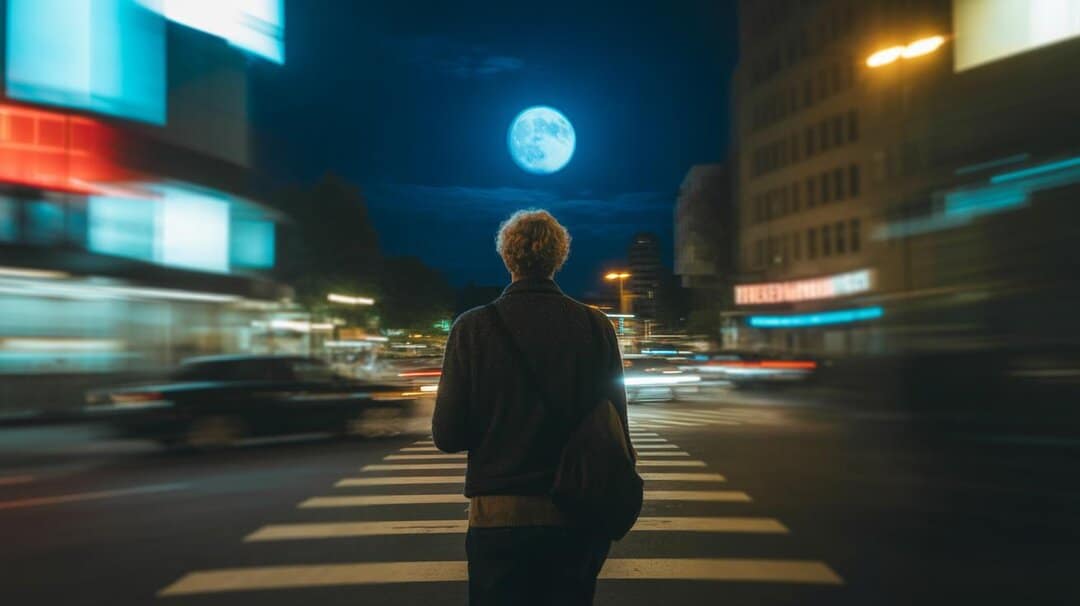
The moon often points to intuition, cycles (natural repeating patterns), emotions, and unconscious material (hidden feelings and inner patterns that show up in dreams and moods). Think of its soft, silver glow as a mirror for what’s stirring inside you.
Its steady rhythm matches our bodies and creative timing, menstrual cycles, bursts of inspiration, the slow turn of the seasons. It’s like a quiet companion you can check in with when things feel murky. Have you ever noticed a mood shift around a full moon? I have.
Lunar phases act as gentle timing signals for inner work and everyday tasks. They tell you when to begin, when to strengthen, when to release, and when to rest. Use a Moon Phase Calculator as a practical planning tool to match your rituals and intentions to the moon’s timing.
See the "Moon Phases Spiritual Meaning" section for phase-by-phase one-liners and the "Moon Rituals" section for step-by-step templates and journaling prompts.
Moon Phases Spiritual Meaning: New, Waxing, Full, Waning

Use this quick guide like a bedside map. It gives one-line themes and a simple practice you can do that night or plan into a moon cycle. Think of it as your go-to when you want to know whether to plant an intention, take action, refine, or release. Quiet. Soft silver glow. Ready?
| Phase | Spiritual Themes | Suggested Practices |
|---|---|---|
| New Moon | Death and rebirth (a creative void and unconscious opening); seed energy; fresh starts. Archetype: beginner / seed. | Set clear intentions. Write a short vision note. Pick one small first step for a project. |
| Waxing Crescent | Early growth and hopeful expansion; nurturing ideas. Archetype: adventurous initiator. | Nurture your new aim for 3 to 7 days. Light a candle and sketch next actions or tend a tiny ritual. |
| First Quarter | Choice and commitment; inner yang energy - decisive momentum. Archetype: builder / actor. | Make a key decision. Schedule a milestone check. Take one bold step forward. |
| Waxing Gibbous | Refinement and perseverance; clarity about what works. Archetype: healer / refiner. | Adjust plans. Prune what’s not helping. Practice focused perseverance, like tending a garden. |
| Full Moon | Revelation and harvest; illumination and shadow surfacing (hidden parts of yourself coming up). Archetype: intense integrator. | Do a harvest inventory. Try shadow-facing work (gently explore hidden feelings) or a gratitude ritual. |
| Waning Gibbous | Release and giving back; sharing learned wisdom. Archetype: teacher / mentor. | Let go of what’s finished. Express gratitude. Offer your insight or help to someone. |
| Last Quarter | Purification and cutting ties; breaking down old forms. Archetype: wise counselor. | Cleanse a space or habit. Set healthy boundaries. Practice forgiveness, even if it’s small. |
| Waning Crescent / Balsamic | Deep rest and surrender; inward reflection. Archetype: crone / hermit / sage. Balsamic means the quiet space before new beginnings. | Rest well. Journal inner lessons. Slow down and recharge for the next cycle. |
Use the phases as a monthly planning scaffold: plant at the new moon, nudge and commit during the waxing stretch, refine as you near the full moon, then harvest, share, and clear through the waning arc until the balsamic pause. It’s simple. It works. By the way, have you tried following just one intention through a full moon cycle? You might be surprised.
Spiritual Meaning of the Full Moon (Advanced cultural, psychological, and seasonal perspectives)

At the full moon, the month’s energy peaks. Emotions and images can feel larger than life, more vivid and more urgent, like the warm glow of candlelight making every shadow feel closer. This is a good time for archetypal work (working with deep, universal symbols that show up in your life). Themes that have been simmering near the surface often become visible now, inviting integration, bringing opposites together instead of splitting them apart.
Shadow work (exploring hidden parts of yourself) often shows up during the full moon as vivid dreams, charged conversations, or tightness in the body. Practice containment, holding strong feelings without acting them out, and you’ll build polarity-tolerance (the ability to sit with opposing energies). That’s how intensity becomes insight. Have you ever woken up from a full-moon dream and felt your heart still racing? Me too.
Named full moons point to seasonal tones that shape rituals and emotional focus. A Harvest full moon leans toward gratitude and reaping, like the smell of cut hay at dusk. A Pink full moon (early spring) nudges gentle renewal and first blooms, the soft pulse of new green. A Strawberry moon signals ripe abundance and celebration, bright and juicy. A Wolf moon in winter asks for endurance, boundary-checking, and a howl-at-the-dark kind of release. Those local names are practical cues; they tell you whether your work should honor, cleanse, celebrate, or protect, based on the season and what the land offers.
If you want to go deeper, try timing and layering your practices. Multi-night clearing sequences can build over three evenings and peak on the lunar apex (the night of strongest light). Group rites let witness and voice amplify integration. Layered oracle spreads let symbols refine across sessions, so meanings grow clearer. Pair these with gentle movement, breathwork, and focused journaling to turn insights into small, testable changes during the waning days.
Next, check the Moon Rituals section for step-by-step scripts, journaling prompts, and reproducible spreads. Also consult the phases table for precise timing. Oops, let me rephrase, these tools give you a practical map so the full moon’s medicine actually lands in your life. Namaste.
Spiritual Meaning of the New Moon: Intentions, Seed Work, and Advanced Timing

Think of the new moon (the lunar phase when the moon’s visible light is minimal) like a blank page at the start of a notebook. It feels quiet, dark, and full of possibility. Soft and hush-like. A time to plant tiny seeds, ideas, intentions, or small habits, and watch what wants to grow.
The new moon invites gentle intention-setting and simple structure. Set one small, clear commitment you can actually keep. Light a candle, write a short intention, or whisper what you want to begin. Sketch the first step. Honor your curiosity before momentum builds.
If you’re planning a project, match your milestones to the moon’s rising light. The waxing moon (when the moon’s light grows) is your natural timeline. At the new moon, set a launching intention. Around first-quarter (the phase about a week later), check in and choose a direction. Use the waxing-gibbous phase (the stage before full when light is expanding) to refine and course-correct. This pacing helps you spread effort across weeks instead of burning out in one big push.
Try some sustainable rhythms. Layered intention stacks hold three related aims across three moon cycles, one for each cycle. Covenant contracts are promises you make to yourself that last several moons. Developmental pacing breaks a big goal into short, phase-sized sprints so progress feels steady and gentle. People born under a new moon often bring inventive, project-first energy, curious, experimental, ready to take the first step.
By the way, I once set a tiny new-moon intention to sit with my breath for five minutes each day, then built up from there. It’s that simple. Oops, I mean, it’s that doable. Have you ever tried a small moon ritual and noticed change?
For concrete scripts, prompts, and step-by-step new-moon rituals, see the Moon Rituals section for reproducible templates and journaling prompts you can use month after month.
Waxing vs Waning Moon Spiritual Meaning: Action vs Release Cheat-sheet

Waxing = expansion and action (the moon's light is growing toward full).
Waning = release and rest (the moon's light is shrinking after full).
Think of waxing as the time to plant and push. Waning is when you tidy, let go, and slow down. Want exact dates? Check the phases table and match the timing to the Moon Rituals templates below.
Quick note on menstrual-cycle mapping: follicular (the phase after your period when energy often rises) lines up with waxing energy, luteal (the phase before your period when you usually slow down) fits waning energy.
Waxing (New to Full, days 0–14): Start a focused two-week creative sprint. Try the Moon Rituals - New Moon Intention (set clear goals and do a weekly check-in).
Waning (Full to New, days 15–29): Do a one-day declutter and donate session. Try the Moon Rituals - Release & Donate (clear physical clutter and offer gratitude).Waxing (New to Full, days 0–14): Schedule and promote a small public update or launch. Try the Moon Rituals - Amplify & Share (visibility meditation and an announcement ritual).
Waning (Full to New, days 15–29): Do a gentle inventory and cancel stalled commitments. Try the Moon Rituals - Inventory & Let-Go (list, mark, release).Waxing (New to Full, days 0–14): Book an active workshop or training day. Try the Moon Rituals - Activation Day (energy-boosting practices and intention-setting).
Waning (Full to New, days 15–29): Follow a three-night letting-go ritual (short nightly releases). Try the Moon Rituals - Three-Night Let-Go (salt bath, candle release, journaling).
Small reminder: you don't have to be perfect about this. Start with one habit and notice how it feels. Softly glowing. Oops, let me rephrase, notice the gentle shift in your energy as you move with the moon.
Moon in Astrology: Moon Signs, Transits, and Applied Timing

Your natal moon (the moon position in your birth chart that maps your emotional baseline) shows your usual feeling patterns and where you go to find comfort. It shapes how you soothe yourself, what upsets you, and the instincts you return to when life gets noisy. Imagine the soft pull of a familiar lullaby, your natal moon is like that.
Transit moons (the moon moving through the sky) change the daily and weekly weather of your feelings. They bring short moods, sudden cravings, or small chances to heal. Think of the natal moon as your emotional accent and transits as shifting rhythms that color each day. Softly glowing, then bright.
Transiting moon signs give simple, practical hints about what’s natural to work on that day. When the moon moves through Cancer (homey, tender, nurturing), it’s a good time for small domestic care or quiet listening. Moon in Aries (direct, bold, initiating) favors starting small projects or setting clear boundaries. Taurus days lean into steady self-care and creature comforts. Libra moon smooths social talk and asks you to check in with relationships.
Use the transit energy to shape how you speak, how you rest, or how you make requests. Timing matters. Have you ever picked a softer day to have a hard conversation and felt it land easier? I have. Oops, let me rephrase, those softer days do help, usually.
For planning: match transit signs to tasks and pair that with phase timing from the Moon Phases Spiritual Meaning table for bigger pacing, and peek at the Moon Rituals section for quick templates. Schedule creative bursts when the moon’s sign supports action, choose cozy self-care when it leans toward comfort, and save big emotional talks for gentler transits. Keep a tiny lunar journal to track what each transit brings you personally, patterns show up faster than you think.
- Check the current transit before an emotional conversation and pick a sign that supports empathy or clarity.
- Plan creative launches to align with an action-friendly transit and the waxing phases (see the phases table).
- Use moon-in-sign cues for tailored self-care (for example, Cancer for home rituals, Aries for movement).
- Log mood shifts in a small lunar journal to spot recurring transit patterns and refine your timing.
Moon Imagery in Dreams, Shadow Work, and Inner Reflection

When the moon appears in a dream, treat it like a quiet messenger from your inner world. It often points to soft intuition, buried feelings, or a repeating pattern you haven’t noticed. Notice how the moon looks and moves, bright, hidden, cracked, or reflected, because each texture carries a different tone inside you. Have you ever woken up in a mood and not known why? The moon might be the explanation.
A simple way to read lunar dreams is to trace the emotion through the night. Write down how you felt when the moon first appeared, how that feeling shifted, and where the scene ended. Then match recurring moon images to things happening in your waking life. Check your mood log or old journals for echoes. Note how intense the dream felt and compare that to recent days to spot repeating triggers.
Use moon timing as support for shadow work (inner exploration of hidden feelings). Schedule tougher releases when you feel steadier. The phases table helps with exact timing, and the Moon Rituals section has scripts and prompts you can borrow. Try to be gentle with yourself during heavier work. Oops, let me rephrase, start small and see how your body and heart respond.
Common moon-symbol reads to keep in mind:
- A clear, full moon often means something needs to be seen. You might feel surprised or relieved when a truth arrives.
- A hidden or dark moon image points to a suppressed feeling asking for gentle attention.
- Moonlight on water usually shows shifting emotions, calm on the surface, deep currents underneath.
- A fractured or cracked moon suggests parts of your identity feel split or confused right now.
- Animals under moonlight highlight instinctual urges or ancestral patterns calling for care.
- A moonlit doorway or path often marks a threshold, choice and courage are needed.
Try this short after-dream protocol:
- Notice: write the dream down with images and feelings, and date it.
- Name: summarize the central feeling or pattern in one sentence.
- Ritualize release: pick one small scripted action from Moon Rituals, like writing, speaking, or a symbolic letting go.
- Integrate: plan one gentle behavior to test this week and note what changes.
By the way, if a dream keeps repeating, it’s okay to come back to it slowly. That’s, like, the whole point, small steps build steady change. Namaste.
Moon Rituals, Meditations, and Practical Lunar Practices

This is your ready-to-use moon toolkit. Think of these as short, repeatable scripts you can copy, shorten, or loop depending on your time and energy. They’re gentle and practical, written like I’m beside you lighting a candle and guiding you through each phase.
The set includes new moon intention work, full moon clearing, a three-night refinement sprint, a balsamic rest protocol (the quiet waning days before a new moon), a moon bath with crystal-charging notes, a simple tarot/oracle spread for phase work, and three-step guided meditations. Other sections will send you back here when you need a prompt tonight.
New-Moon 5-Step Template
Create sacred space with candlelight. Write one clear intention. Do a three-minute belly-breath meditation. List the first two action steps, then name one small supportive habit to close.Full-Moon 4-Step Clearing
Check what’s ripe for harvesting. Do a ritual release, write what you’re letting go of and then safely burn or tear the paper. Sweep or smudge the space with a feather or sage smoke. Say one sentence of gratitude out loud.Gibbous Refinement Sprint
A quick three-night tune-up. Night one: review outcomes. Night two: tweak the plan. Night three: test and commit to one updated action.Balsamic Rest Protocol (the soft wind-down before a new moon)
Dim lights and play soft music. Journal the lessons from this cycle. Do a slow restorative body scan. Set the simple intention to rest without fixing anything.Three-Step Guided Visualization
Sit quietly and breathe into your belly. Picture a silver light around your heart. Invite one clear image, then jot down the message in a single line.Moon Bath Practice with Crystal Charging
Run a warm bath with sea salt and a few drops of lavender oil. Place a cleansed crystal like clear quartz or moonstone on the tub edge to soak up moonlight. Soak while holding a short intention, then rinse and dry the crystal to seal it.Moon Altar Ideas
Choose a cloth you love, a candle, a small plant or bowl of water, and one object that symbolizes your intention. Rotate one item each phase to mark progress. Keep it simple and sensory.Phase Tarot/Oracle Spread (reproducible)
Card 1: seed (new moon)
Card 2: challenge (first quarter)
Card 3: refinement (waxing gibbous)
Card 4: harvest or lesson (full moon)
Card 5: release (waning)Quick Morning Moon Meditation
Two minutes. Feel your feet on the floor. Name one priority. Take three slow breaths, whisper a short affirmation, then step into the day.Release & Donate Mini-Ritual
Pick one physical item to give away. Write one emotional habit you want to release on a slip of paper, fold it, and place both the item and the paper in a donation bag or a symbolic box.
12 Moon Journal Prompts:
- What tiny seed do I want to plant this cycle?
- How did my body feel yesterday and what does it ask for?
- What belief would I like to test gently this month?
- What stopped me last cycle and what small change helps?
- What felt like a harvest this week?
- Which relationship needs clearer boundaries now?
- What recurring dream image should I track?
- What comfort practice helped me breathe easier?
- What would I forgive in myself today?
- What creative action can I do in 15 minutes?
- What lesson am I ready to share with someone?
- How will I rest in the balsamic days?
Track your phases with a Moon Phase Calculator or a simple paper calendar so your rituals line up with the new moon starts, waxing check-ins, and waning clearings. That way the practices build naturally over the month and feel like a slow, steady tide.
Moon Symbolism in World Traditions and Mythology

Across cultures, the moon has felt like a living calendar and a soft lantern in the night. It’s been a comfort when darkness settles and a steady marker that helps communities keep time and rhythm. Close your eyes and picture the warm glow of candlelight and the moon’s cool silver on a field. Softly glowing.
In Greek myth, Selene is the soft-eyed lunar goddess who rides the night sky, a companion for travelers and poets. She watches the quiet moments between days, those liminal moments (in-between times) when you might whisper a wish. Have you ever noticed how a full moon makes a poem possible?
In Rome she becomes Luna, often shown with a lamp or chariot, guiding seasonal festivals and civic life. Luna helps people plan work and worship, and she brought a steady light for public rites. It’s practical and poetic at once.
In India, Chandra anchors ritual calendars and fasting days. Tithi (lunar days) shape when ceremonies happen, so the moon literally tells people when to hold a rite or fast. That sense of timing keeps communal life in sync with the sky.
Many modern earth-based practices carry those old timing habits into today. Wiccan lunar rites (moon-centered rituals) use the phases for spell timing, planting intentions, and group circle work that follows seasonal change. Native American full-moon names (local names for each full moon) reflect the land, food, weather, and community needs, and they cue harvests, fishing, or feasts. Celtic moon practices link phases to farming chores and seasonal thresholds, offering practical cues for sowing and sheltering.
There’s a simple thread through all of this: people use lunar cycles as social and agricultural guides, and local ecology shapes what the moon means. Some places focus on planting, others on lighting night rites, and some mark births and rites of passage by moon timing. By the way, I once planned a small garden by moon phases, fun and a little bit hopeful. Oops, let me rephrase… it felt right to me.
See the "Moon Phases Spiritual Meaning" table for canonical phase meanings and timing cues you can match to these traditions.
| Culture | Moon Deity or Practice | Spiritual Meaning |
|---|---|---|
| Greek | Selene | Night guide and poetic witness; marks festivals and personal liminal moments (in-between times). |
| Roman | Luna | Civic and agricultural timing; used in rites that honor cycles of light and work. |
| Hindu | Chandra | Calendar anchor; tithi-based rituals (tithi = lunar days), fasts, and auspicious ceremony timing. |
| Wiccan | Lunar Rites | Moon-centered rituals for spell timing, planting intentions, and group circles aligned with phases. |
| Native American | Full Moon Names | Local ecology in moon names; cues for harvests, hunts, fishing, and communal gatherings. |
| Celtic | Seasonal Moon Practices | Rituals timed for sowing, protection, and seasonal thresholds tied to the land. |
Moon Imagery in Dreams, Shadow Work, and Inner Reflection

When the moon shows up in a dream, treat it like a quiet messenger nudging your intuition or a feeling you haven’t named yet. Notice the moon’s size, texture, and motion - and track the emotion that follows. Use sensory notes: the soft silver glow, a sharp crater edge, the slow pull as if the moon is breathing. For example: size - "a tiny sliver felt like a coin in my palm"; motion - "it rolled away like a slow tide."
When the same lunar image keeps coming back, tie it to recent days, meetings, or repeated choices in your life. Keep a short mood log and date every dream entry so you can spot patterns. Work on deeper releases around a full moon or during the waning phase (moon phases are the cycle from new to full and back). See the Moon Phases Spiritual Meaning table and Moon Rituals for timing and ready-made scripts.
Below is a compact cheat-sheet of common moon symbols and a short integration protocol to use right after journaling.
- A bright, full moon: something needs to be named or looked at.
- A hidden or dark moon: feelings tucked away that need gentle attention.
- Moonlight on water: emotions that look calm on the surface but run deep.
- A cracked or fractured moon: split identity or inner confusion.
- Animals under moonlight: instinctual urges or ancestral patterns showing up.
- A moonlit doorway or path: a threshold asking for courage and a small yes.
Try this short integration protocol after you write the dream down:
- Notice: write the dream images and the feelings, and date them.
- Name: sum the core feeling or pattern in one sentence.
- Ritualize release: pick a Moon Rituals script - write it, burn it, or speak what you’re letting go of.
- Integrate: choose one small action to test this week and note what happens.
By the way, I once labeled a cracked moon "two halves of my yes and no," and that one-sentence name opened a clear next step. Oops, that sounds dramatic, but it really did help.
FAQs: Spiritual Meaning of Moon
Q: What does the moon represent spiritually?
A: The moon often mirrors our cycles, moods, and inner knowing. Think of it like a quiet mirror under silver light, reflecting feelings and timing for emotional care. See Spiritual Overview for deeper meanings and examples.Q: How do I use the lunar phases for inner work?
A: Use new moon (a time to plant intentions) to set clear goals. Waxing moon (when the moon grows) is for building action and energy. Full moon (bright, full light) is for releasing or celebrating. Waning moon (when the light fades) is for rest and clearing. Match small, doable tasks to each phase. Oops, let me rephrase, start simple and keep it gentle.Q: How do I run a full-moon release or ritual?
A: Write what you’re ready to let go of on a piece of paper. Say a short release out loud, feel the soft pulse of your breath, then safely burn, bury, or toss the note as a symbolic goodbye. Safety first, use a bowl for burning or bury in a safe spot. See Moon Rituals for step-by-step scripts and safety tips.Q: When is the best time to set intentions?
A: The new moon is the classic time to plant new projects and intentions. Then check in during the waxing phase to tend what you planted and build momentum. Little check-ins keep things alive, you know?Q: What’s the easiest way to track the moon for planning?
A: Use a moon phase calculator or a simple lunar calendar (a basic tracker of new and full moons) to mark dates. Keep it on your fridge or phone so rituals and check-ins are easy to plan. A simple checklist goes a long way.Q: How does my natal chart affect moon energy day to day?
A: Your natal moon (the moon in your birth chart showing habitual emotional patterns) tells you how you usually feel and respond. Transit moons (temporary moon movements) shift mood and give short-term timing cues for self-care and practice. See Moon in Astrology for how to read your natal moon and use transit timing.Q: Are there moon rituals for abundance or growth?
A: Yes. Try repeating focused affirmations during the waxing moon to grow intentions. Use full- or waxing-moon prompts to refine offers, goals, or creative work, small practices you can repeat. See Moon Rituals for easy abundance templates.Q: Where can I learn about cultural moon meanings and dusk practices?
A: Read cross-cultural moon symbolism to see how different people honor the moon. Then try gentle dusk rituals that celebrate moonlight and transition, the cool night air, the warm glow of candles. See Moon Symbolism in World Traditions for cultural context, and for dusk-specific practice try the related post on the spiritual meaning of twilight - Spiritual meaning of twilight Brings Inner Renewal
Final Words
Right in the action: the moon shows intuition, cycles, emotions, and unconscious material, and the phases table gives simple one-line practices to match those rhythms. The full moon and new moon sections explore deeper psychological timing, with Moon Rituals offering step-by-step templates and a Moon Phase Calculator to plan inner work.
It's a quick map for dream work, astrology timing, and ritual setups. The spiritual meaning of moon can feel practical and tender. Carry it forward with calm curiosity.
FAQ
Frequently Asked Questions about the Moon
What does the moon represent spiritually?
The moon represents intuition, cycles, emotions, and unconscious material, mirroring biological and creative rhythms like menstrual cycles, creative phases, and seasonal shifts.
What is the spiritual meaning of moon phases?
The moon phases' spiritual meaning signals timing for inner work: new for seeds, waxing for building, full for revelation, waning for release, and balsamic for rest.
What is the full moon's spiritual meaning?
The full moon's spiritual meaning centers on revelation, emotional intensity, and shadow surfacing, with seasonal full‑moon names adding nuance and deeper practices.
Why am I so drawn to the moon spiritually?
Being drawn to the moon spiritually often means your intuition and cyclic rhythms are active; the moon's soft glow mirrors inner feeling and invites reflective, rhythmic practice.
What energy or emotion does the moon represent?
The moon's energy and emotion represent receptivity, emotional tides, and intuition; it carries a feminine archetype tone and points to memory, rhythm, and unconscious feeling currents.
How does the moon affect love and relationships?
The moon's symbolism in love and relationships highlights emotional cycles and timing, with waxing for growing connection, full for honest revelation, and waning for releasing old patterns.
Are moon phases used in witchcraft or spells?
Moon phases in witchcraft guide spell timing: new for starting, waxing for growth, full for amplification and revelation, and waning for banishing and release—match intent to phase timing.
Is the moon a good omen and what do religious texts say about it?
The moon isn't inherently a good omen; many cultures treat it as a sign and calendar marker, and sacred texts often describe it as a created light marking seasons and signs.