Spiritual Meaning of Calamus: Meditation, Ritual, Chakras

Do you think calamus is just swamp grass that smells nice? I used to think the same, until I learned how folks actually use it.
Calamus is a reed-like root people burn, anoint with oil, or tuck under their pillows to clear energy, steady the voice, and invite prophetic vision (sharpened inner sight). Have you ever caught a whiff and felt something shift? It’s gentle but intentional work.
When you smell it, you get a warm, slightly sweet root scent, like wet earth and old library shelves. That aroma helps calm the breath and sharpen focus, so meditation and quiet listening come easier.
I’ll walk you through meditation uses, simple ritual roles, and easy ways to work with chakras (energy centers in your body). We’ll keep the steps beginner-friendly and practical. Oops, let me rephrase that, think of it as a cozy, step-by-step guide you can try tonight.
By the way, I’ll close with a short safety note about different varieties and legal concerns so you can practice with care. Some types aren’t the same, and a few are restricted in certain places, so it’s good to be careful.
Spiritual overview of calamus: core symbolism, ritual roles, and energetic effects
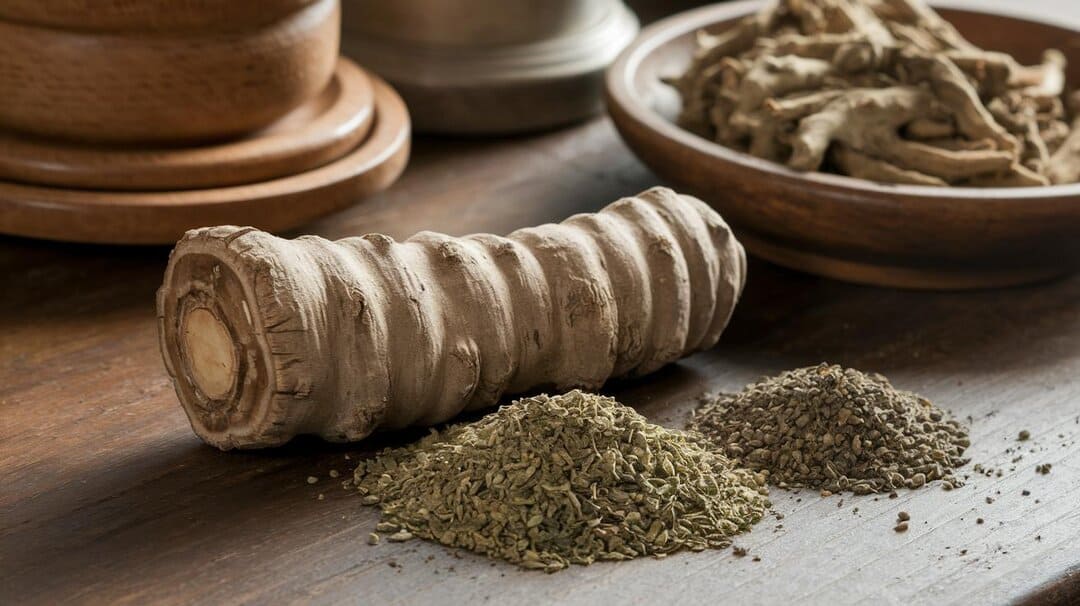
Calamus (Acorus calamus, a reed-like root used in herbal and ritual practice) is often called in for purification and protection. It also supports prophetic vision (helping inner sight), brings mental clarity, and helps with truth-telling, clear speech and honest intent. Think of it as a gentle clarifier for the mind and spirit.
When you smell it, there’s a warm, slightly sweet root scent, like wet earth and old libraries. Softly glowing. That warm smoke can feel like a small nudge to focus your thoughts or steady your breath. Have you ever noticed how a single scent can make memories feel sharper? Calamus works kind of like that.
In ritual work calamus shows up as incense, anointing oil, dreamwork tools, and altar offerings. Folks use it to clear rooms, sharpen testimony, and steady attention during quiet practice. People also tuck calamus into bedside sachets or leave it as a pre-sleep offering to clear negative energy before rest.
By the way, it’s often paired with other botanicals to tune timing and effect in ceremony. Next, you might use a little smoke to mark the start of a sacred space, then anoint a focal object so your intent stays steady. Think of it like lighting a candle and taking a breath before you speak from the heart.
A quick safety note (because that’s important): calamus can be potent, and some varieties have legal or toxicology issues in certain places. So check local rules and safe-practice guidance before you burn or ingest it. Oops, let me rephrase, always start small, research the root you have, and use common-sense precautions.
See Calamus root symbolism and historical timeline for citations and measures and See Practical guidance and safety for toxicology, legal status and safe-practice details.
Calamus root symbolism and historical timeline
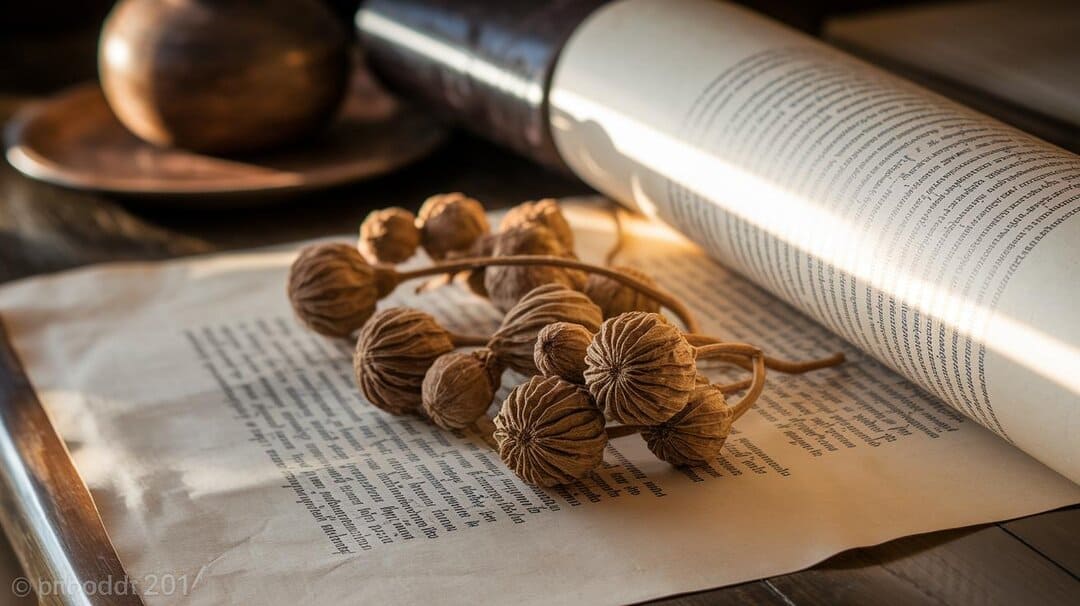
Calamus has been used for a very long time as a sweet, spicy reed in sacred and everyday life. People burned it in incense, used it to cleanse spaces, and placed it on home altars. Purification (a cleansing for spirit and space), temple rites (ceremonies in sacred places), and household ritual (everyday blessings at home) are the ways it shows up most often. By the way, questions about the plant’s traits and safety are covered in the botanical and safety sections below.
Here’s a short, friendly timeline of where calamus pops up in ritual life:
- circa 2800 BC , early East Asian herbal and ritual use (China, Japan, India).
- Ancient Egypt , used in kyphi (Egyptian incense) and mummification recipes (sweet, warming smoke).
- Classical era (Greece and Rome) , used for temple purification and as a symbol of friendship.
- Exodus reference , listed in anointing oil (blended sacred oil for blessing) in Exodus 30:23 (250 shekels of calamus).
- Medieval Europe , used as an aphrodisiac, in folk medicines, and as a strewing herb (scattered on floors for scent).
- 20th century scholarship and debate , scholars like Creighton (1906) and Sula Benet questioned which aromatic reed ancient writers meant, sparking ongoing debate.
These moments show how one plant moved between big public ceremonies, quiet household practice, and careful scholarly argument. The Egyptian and classical examples help explain why people turned to calamus for cleansing and social rites. The Exodus recipe gives a clear, tangible use that later readers leaned on when making anointing oils and incense. And the 20th century debates? They remind us that sometimes the past is a little fuzzy, and that affects how we read old texts and pick botanicals today.
Have you ever caught a whiff of a sweet, rooty scent and wondered what it meant? I once smelled something like that in a candle shop and felt that old, ceremonial hush, soft and surprising. Oops, let me rephrase, calamus can stir that same slow, warm feeling when you come across it.
For the plant’s physical traits, aroma notes, and conservation status (information you’ll want when choosing material for practice), see Acorus calamus spiritual symbolism and botanical profile.
Acorus calamus spiritual symbolism and botanical profile

Acorus calamus is a semi-evergreen perennial in the Araceae family. It grows like a reed, with long, grass-like leaves and small yellow-green flowers that prefer marshy soils across East Asia, Europe, North America, and Russia. Its rhizome (an underground stem) is scented and often the first thing people notice in ritual or herbal work.
The rhizome gives a warm, sweet, earthy aroma , think musk, honey, vanilla, cinnamon, and a bright hint of lemon. That scent tends to be what people remember long after they meet the plant. The North American form, Acorus calamus var. americanus, has a slightly different scent profile worth noting if you’re choosing material for a ceremony.
Spiritually, the plant’s traits shape its uses. The deep rhizome suggests root stability and memory work (practices for recalling or healing memories). The reed-like growth feels like clear transmission of intent , it helps words and focus move through, gently. As the sweet flag plant spirit (the plant’s energetic presence) it brings steady warmth, gentle protection, and clearer inner sight (your intuition or inner vision). It’s not a flashing burst of energy. More like a slow, steady ember. I once held a piece of dried root and felt my breath settle before a quiet reading , simple, but real. Have you ever noticed a smell calm you down like that?
This section is the botanical source for traits and aroma notes used elsewhere in the article, so treat it as your reference. Conservation status is IUCN: Least Concern. Let these facts guide your aroma choices and material selection when planning ritual work or offerings , and, um, whenever possible choose sustainably harvested pieces.
| Trait | Detail |
|---|---|
| Family / Latin name | Acorus calamus (Araceae) |
| Growth habit and habitat | Semi-evergreen perennial; reed-like leaves; marshy soils; temperate to boreal range |
| Rhizome aroma | Sweet, earthy blend with musk, honey, vanilla, cinnamon and lemon |
| Geographic range and varieties | East Asia, Europe, North America, Russia; note Acorus calamus var. americanus (N. American variant) |
| Conservation status | IUCN: Least Concern |
Calamus and the kaneh bosem debate in sacred texts

The Hebrew phrase kaneh bosem (literally “fragrant reed,” often translated as calamus) shows up five times in sacred texts. Many English Bibles , starting with the King James Version , render it as calamus. That little choice matters. It shapes whether we imagine a simple scented reed used for purification, or something stronger that could change how people felt during offerings and anointings.
Think of it like this: are we smelling a sweet, grassy perfume, or stepping into a warm, heady haze that shifts perception? Different plants mean different experiences.
Modern scholars offer a few clear possibilities. One is sweet-flag, Acorus calamus, the traditional “calamus.” Another, suggested by Maimonides, is Cymbopogon (a kind of ginger grass). Some linguistic and botanical readings point toward a fragrant reed that could be cannabis. Archaeology nudges that idea along , resin from a Judahite altar in the Negev, dated about 760–715 B.C., showed cannabis compounds at levels that look intentional, not accidental.
Early 20th-century voices rekindled this debate. C. Creighton in 1906 and Sula Benet later argued that translations and shifting word choices over Greek and then English may have replaced an original “fragrant reed” with calamus.
If kaneh bosem wasn’t calamus, ritual meaning shifts. Anointing oil or incense might have been made to alter mood or sharpen vision, not just scent a room. Imagine warm smoke curling up, a scent that opens the chest and quiets worry , making ritual contact feel more vivid. Have you ever wondered whether those ancient rites were meant to move the heart in more ways than one?
Maimonides favored Cymbopogon, pointing to local plants people actually knew and used. Michael Zohary later reminded us that ancient writers often named pleasant-smelling reeds without locking them to the exact species we expect today , they described aroma, not botanical taxonomy.
Archaeology and scholarship together keep the question alive. The Negev resin find matters because it gives physical evidence. And the arguments from Creighton and Sula Benet push us to read older translations more carefully, to listen for what people back then actually smelled, tasted, and felt during sacred moments.
In truth, this debate invites gentle curiosity more than certainty. Next, we might reimagine ancient rituals as multisensory events , scent, touch, altered awareness , all woven together to shape sacred experience. Oops, that sounded grand , but really, it’s just a reminder to pay closer attention to the small words that steer big meanings.
Calamus ritual practices: incense, anointing traditions, and dreamwork

Calamus shows up in lots of old ritual recipes , from Egyptian kyphi to temple incense and the anointing oils of ancient rites. It was used to scent a space and help steady attention, the warm smoke helping people settle into ceremony. For dated citations and measures that anchor these uses, see [Calamus root symbolism and historical timeline](Calamus root symbolism and historical timeline).
Think of those old practices as simple models: short, intentional offerings of scent to mark transitions, bless an object, or bring a gentle focus to a ritual. Have you ever used a single scent to say, this moment matters? It’s that kind of small, mindful choice.
For safe ambient use, favor tiny, occasional offerings rather than long burns. Softly glowing smoke for a few minutes is better than hours. Try a pinch of whole or powdered root on a charcoal disc for a brief offering, or tuck dried pieces into sachets for altar bowls and pillows. You can also steam a tiny sliver in a simmer pot with water and mild aromatics for a fleeting room scent. See [Practical guidance and safety](Practical guidance and safety).
Dreamwork with calamus is about subtle scent cues, not heavy exposure. Fill a dream pillow with a small amount of dried root mixed with calming herbs. Leave a tiny offering on a pre-sleep altar, or light a short, closely watched stick of root-based incense about an hour before bed to set an intention for clearer dreams. Place offerings near your bedside altar or at the foot of the bed rather than directly under your pillow. See [Practical guidance and safety](Practical guidance and safety) for dosing and legal limits.
Check your local rules and your own health needs before using calamus in ritual , especially if you’re pregnant, nursing, sensitive to smoke, or around children or pets. Talk with a trusted health professional if you’re unsure. And for full legal, medical, and toxicology details, consult [Practical guidance and safety](Practical guidance and safety).
| Ritual Method | Purpose | Safety Notes |
|---|---|---|
| Loose incense burning | Temple-style offerings and space clearing | See Practical guidance and safety |
| Smudging / sticks from root | Short protective smoke for doorways or thresholds | See Practical guidance and safety |
| Dream pillows / sachets | Dream enhancement and sleep-time focus | See Practical guidance and safety |
| Historical anointing traditions | Context and background, not a how-to for modern topical use | See Practical guidance and safety |
| Aromatic meditation (use diluted alternatives when needed) | Focused scent work without concentrated oil | See Practical guidance and safety |
Spiritual correspondences: chakras, elements, and intentions for calamus work

| Elements | Chakras |
|---|---|
| Water - purification (soft, washing clarity) | Third Eye (intuition center) |
| Air - clarity and transmission (smoke carries intention) | Throat (voice and honest speech) |
| Crown (connection to higher guidance) |
Take a moment to settle in. Notice the warm curl of smoke or the faint sweetness of calamus on your skin. These small senses help anchor subtle work.
Try a short breath practice to sharpen inner images and steady your words. Inhale slowly for four counts, hold for one beat, then exhale gently for a comfortable long count. Do that three times and then wait , just notice what surfaces.
Have you ever felt a quick nudge when you smell something familiar? That nudge can shift intention into focus. Common aims with calamus work are psychic protection, clear boundaries, prophetic insight, and truthful speech (speaking what feels true from the heart).
Keep sessions brief and intentional. A quick smoke pass or one minute of focused breathwork often brings clearer results than a long exposure. Short rituals help the scent or smoke act like a spotlight on a single aim.
By the way, I once did a one-minute pass before a reading and the message came through faster than expected. Oops, did I say faster? I mean clearer. Little experiments like that teach you what works for you.
A simple routine to try:
- Light a small amount of calamus or waft its smoke around you with calm intention. Softly glowing.
- Use the three-breath reset to center the relevant chakra (like the Third Eye for insight or the Throat for honest speech).
- State a short intention aloud or in your mind , one clear sentence.
- Close with a silent breath and notice any subtle shifts.
Short, sensory, focused. That’s often the whole point. Namaste.
Practical guidance and safety: integrating calamus into spiritual practice

Calamus (Acorus calamus) has a warm, slightly spicy scent when burned, think amber smoke curling from charcoal. It’s been used in folk and Ayurvedic traditions for digestion, breathing support, and nervous system care. But let’s be clear: historical use isn’t the same as a modern safety endorsement.
Calamus contains beta-asarone (a compound linked in some studies to cancer and neuroactive effects). Because of that, many places restrict or ban concentrated calamus oil and extracts. Check the rules where you live, United States, United Kingdom, Australia, and New Zealand all have limits on concentrated forms.
So what’s kinder and lower risk? Use the whole dried root sparingly instead of concentrated oil. A tiny pinch of powdered root on a charcoal disk gives a brief, ambient scent you can control. Tuck a little dried root into a dream pillow or an altar sachet for subtle influence. By the way, I once slipped a grain-sized piece into a sleep sachet and woke with a curious, grounding dream, have you ever tried something like that?
If you need alternatives, try vetiver or cedar for grounding and clearing work. They’re gentler and easier to find without legal or health headaches. Favor short, intentional offerings over long burns, and always keep the room well ventilated.
Practical, lower-risk steps when local law allows:
- Use about 0.1–0.3 g of powdered root on a charcoal disk for a single, short offering. Let the smoke rise for a few minutes, then open windows and air out the room.
- If you’re doing topical work only after it’s legal and a licensed health professional approves, dilute any approved commercial extract so the beta-asarone equivalent is below 0.1% in a carrier oil.
- Always do a small patch test on healthy skin after you’ve gotten medical clearance.
A few firm safety notes: do not ingest essential oil or concentrated extracts. Do not apply undiluted oil to skin. Pregnant or nursing people and children should avoid exposure to concentrated calamus preparations. Overuse can cause nausea, vomiting, and other adverse reactions. If you have health conditions or take medications, talk with a licensed healthcare provider before topical or ingestive use. And, again, check local regulations for legal limits before buying or using commercial extracts.
Oh, quick aside. Oops, let me rephrase… treat calamus with respectful curiosity, not casual experimentation. It can be meaningful in ritual work, but safety and legality come first.
For conservation context, Acorus calamus is currently listed by the IUCN as Least Concern. Namaste.
Folklore, myth and magical correspondences of sweet flag (calamus)

At dusk, a single Greek acolyte slips a thin strip of sweet flag (calamus, a fragrant reed used in rituals) into a temple gate. The reed's warm, spicy scent curls through the cool air like a private greeting between neighbors and the divine. Softly, you can almost feel the moment settle into the stone and the shadow.
For older sources and broader context, consult Calamus root symbolism and historical timeline. And for health or legal questions about ritual use, consult Practical guidance and safety. Have you ever noticed how one small scent can shift everything? I did once in a moonlit shrine, and it stayed with me.
Final Words
We moved straight into calamus’ core spiritual meanings, purification, protection, prophetic vision, mental clarity, and truth-telling. Then we sketched ritual roles like incense, anointing, and dreamwork, traced its historical timeline, and pointed you to Calamus root symbolism and historical timeline and Practical guidance and safety for sources and health details.
Carry a warm ribbon of smoke or a tiny sachet into quiet practice, checking local rules and medical advice first. The spiritual meaning of calamus can bring calm clarity and gentle protection when used with care.
FAQ
FAQ
What is calamus in the Bible and what does the Hebrew term mean?
The calamus in the Bible refers to the Hebrew term kaneh bosem, often translated as calamus or a fragrant reed (for example in Exodus 30:23). It is associated with sacred anointing oil and ritual perfumery.
How do cassia and calamus differ in the Bible and spiritually?
Cassia is a cinnamon-like bark connected with honor, healing, and fragrant offerings. Calamus is a reed-like aromatic associated with purification, prophetic clarity, and anointing traditions.
What are common uses and benefits of calamus and its oil?
Calamus and its oil are used for incense, anointing, dreamwork, and traditional remedies for digestion or memory. Concentrated oil can carry safety risks, so follow legal and medical guidance before use.
Why is calamus banned or restricted in some places?
Calamus oil can contain beta-asarone, which has been linked in studies to carcinogenic and neuroactive effects. For health and safety reasons, many countries restrict or ban concentrated extracts.
How is calamus used safely in spiritual practice today?
Calamus is used in dreamwork, sachets, incense, and altar offerings for vision and protection. Use very small, ambient amounts and consult practical guidance on legal status and toxicology before using concentrated products.