Spiritual Meaning of a Stroke in a Dream

Have you ever woken from a dream where you were having a stroke and felt your chest go numb? That heavy, cold feeling can make your breath hitch. It’s scary.
Have you felt silenced in waking life, like your words get stuck or you don’t dare speak up? I’ve been there. It’s a strange, hollow hush.
Most of the time, this dream isn’t a literal warning about your health. Instead, it’s a symbolic alarm, like a red flag from your inner system asking for attention, rest, clearer boundaries, or a crossroads (a big life choice) that wants your focus. It often points to overwhelm or blocked speech.
Think of the dream as a nudge to slow down, give your body space, and find safer ways to say what you need to say. Simple steps, soft breathing, grounding touch on your chest, or practicing honest lines in the mirror, can help calm the body and free your voice.
In this post I’ll unpack the common meanings and share gentle practices to soothe your body and open your voice. By the way, I once woke with that exact numbness, um, scary, but a few breaths and some soft words helped me feel more steady again.
Spiritual Meaning of a Stroke in a Dream

If you have new neurological symptoms, please seek urgent medical care right away. Your safety is the first priority.
That said, most dreams about having a stroke are symbolic. They usually point to inner pressure, overwhelm, loss of control, or feeling like you can’t speak your truth. The scene in your dream can feel sharp and frightening. You might notice a tightness in your chest or the sudden hush of a crowded room. Softly glowing.
REM sleep (rapid eye movement sleep) often makes dream images feel intense and vivid, while lighter sleep stages tend to process feelings more slowly and gently. So the dream’s drama doesn’t mean a medical event is coming. It’s more often your psyche asking for attention.
If you’re wondering what this dream means for you right now, think of it as a gentle but urgent nudge. Pay attention to your boundaries, your self-care, and who you lean on. Have you ever woken from a dream and felt like you couldn’t speak? Oops, let me rephrase, have you ever felt silenced in waking life, too? Those are the places this dream wants you to tend.
These dreams often point to heavy things that need clearing: stress from work, family duties that wear you down, or health worries you’ve been carrying alone. They can signal a crossroads (a turning point) where choice is needed, or blocked expression (difficulty saying what you really feel). Sometimes it’s also a karmic wake-up (a lesson tied to past patterns) asking you to slow down and rebalance.
In practice, the message usually looks like this: stop. Rest. Reach out for support before the load gets heavier. Try small steps, set a boundary at work, say a quiet truth to a trusted friend, or breathe into the body and let the tension soften. You don’t have to carry it all.
Common spiritual meanings people report:
- loss of control (feeling overwhelmed)
- blocked communication (unable to speak your truth)
- sudden change or crossroads (a turning point in life)
- karmic wake-up or lesson (patterns returning for healing)
- suppressed grief or guilt (feelings that need expression)
- call to slow down and rebalance (rest and ask for help)
Spiritual Meaning of a Stroke in a Dream

Think of this as a quick guide to what your dream might be trying to tell you. Look at the scene, the feelings, and the people in the dream to translate urgent inner signals into something you can act on when you wake. Start with the Immediate Spiritual Overview and Key Meanings, and remember: if you or someone may be having a real stroke, get medical help right away.
Dreams set in a hospital hallway, a frantic emergency room, or a calm doctor’s office often point to feeling vulnerable and needing support. Picture the sterile smell, the bright lights, the hush of voices, you might be sensing real worry about health, or a need for guidance. Triggers like heavy work demands, caregiving overload, big life changes, or family health history can nudge these images into your sleep.
Simple, practical responses help. Name one stressor out loud. Ask for help. Set a tiny boundary. Take one moment of self-care so the dream’s message turns into a plan you can follow.
Paralysis (as dream image)
Paralysis in a dream usually mirrors feeling stuck in life, like your choices don’t matter or you’re wiped out. Your body might feel heavy, like moving through thick water. Example: you freeze at your desk because the deadline never ends - work burnout. Example: you can’t move while caring for someone sick, and your own needs vanish - caregiving overload.
Try these prompts:
- What small step could I take right now?
- Where in my day do I feel unable to act?
- Who or what is keeping me stuck?
Yes. Start tiny. One tiny step changes the feel.
Numbness (as dream image)
Numbness points to emotional shutdown or dissociation, your heart or body quieting to protect you from pain. It can come from long-term stress, old wounds, or avoidance. Notice any part of your body that feels distant, hands, throat, chest, and say its name. That simple naming begins reconnection.
Try a gentle body check: put your hands over that spot, breathe into it, and notice any small sensation. That’s enough for now.
Losing Speech / Voice Loss (as dream image)
Dreams of losing speech often mean your self-expression feels blocked. You might be carrying shame or fear about saying what you need. This can point to the throat-chakra (energy center for communication). Try a journaling prompt: write the one sentence you’ve been avoiding, then free-write five lines about why it’s hard to say.
If speaking feels unsafe, hum a tune or whisper the sentence to a trusted friend. I once had a dream like this, um, and saying one small truth out loud changed everything. Oops, let me rephrase... it eased the pressure, little by little.
Next steps you can do tonight:
- Name one stressor and tell a friend or write it down.
- Set one small boundary for tomorrow.
- If the dream raises real health worries, schedule a checkup.
Softly glowing. Take it slow.
Dreaming of Someone Else Having a Stroke: Interpersonal Meanings and Actions

Dreaming that someone else is having a stroke often points outward. It usually means you’re worried about that person, carrying unresolved tension in the relationship, or holding deep empathy for them. Have you ever woken up thinking about a friend or parent and felt a tightness in your chest? That physical echo is your body working through waking worries about their safety or your role with them.
The dream can be a signal. Notice the images and feelings, then ask: what caring action might follow? For symbolic mappings, cross-reference the Core Spiritual Meanings section to translate specific dream images into concrete, compassionate steps.
- empathy (feeling another’s pain or anxiety; your heart is tuned to theirs)
- guilt or responsibility (dreams of causing harm can point to shame or fear you hurt someone emotionally)
- projection (your own worries about that person’s health or future shown as a dream event)
If the dream leaves you unsettled, consider these gentle steps. First, breathe and sit with the feeling, name it quietly to yourself. Then, if it’s safe and appropriate, check in with the person. A simple “I was thinking of you” can open an honest conversation and ease both your minds.
Reflect, too, on whether you’ve been overextending as a caregiver. Are you carrying too much? Where could a clearer boundary help you feel steadier? By the way, I once woke from a dream like this and reaching out calmed my nerves, maybe it’ll do that for you, too.
If guilt or ongoing anxiety lingers, talk with a trusted friend or a counselor for support and perspective. It’s okay to ask for help. You don’t have to carry that tightness alone.
Spiritual Meaning of a Stroke in a Dream
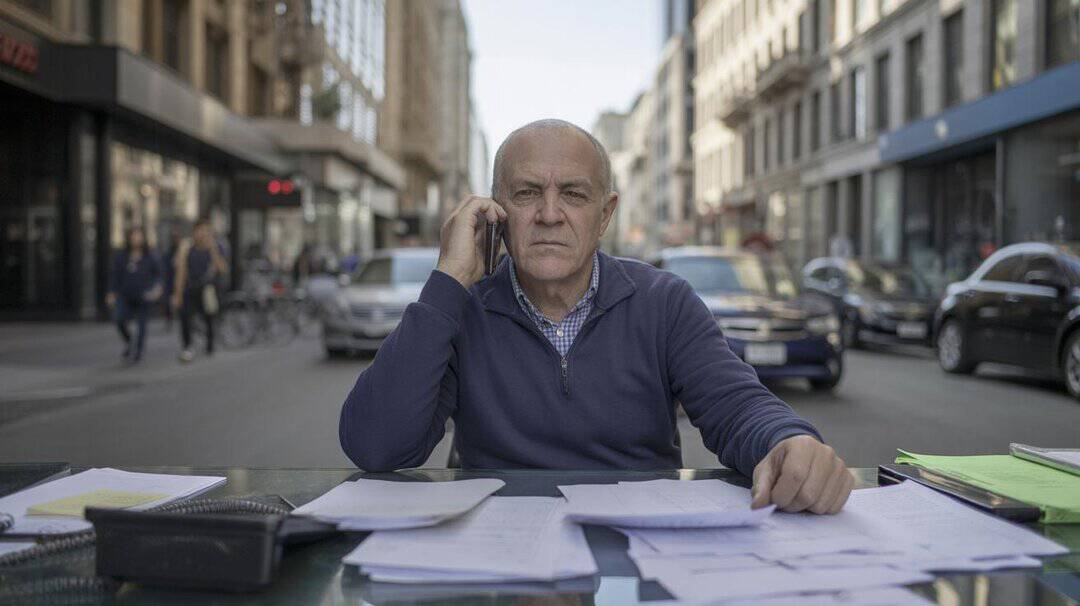
Dreaming about a stroke can feel jarring, like your body suddenly goes quiet. How you read that dream depends a lot on your cultural, religious, or energetic lens. At its core, common images to watch for are paralysis, numbness, or loss of voice. Those images usually point to parts of waking life where you feel stuck, unheard, or unable to act.
Christian interpretation
Many Christians see a stroke dream as a sign of spiritual struggle or a gentle nudge to return to prayer, repentance, and community care. Intercession (praying for someone else) or confession (sharing burdens to find relief) often follows the dream. Shared prayer, scripture reading, or asking a pastor to pray can feel like warm company when the dream brings guilt or weakness. Have you ever felt held by a quiet circle of prayer? It can be grounding.
Islamic interpretation
In an Islamic view, a stroke dream often signals vulnerability and a need to restore balance through dua (supplication) and tawakkul (trust in God). The dream might inspire extra prayer, reciting the Quran, or paying more attention to both spiritual and physical health. It’s common to pair spiritual steps with practical care, so seeking medical advice and spiritual counsel fits well here.
Other cultural lenses
Traditional cultures sometimes treated scary dreams as messages from ancestors or warnings to pay attention. Modern perspectives often mix that idea with psychology, so the dream can be a call to reflect, heal an old wound, or change a habit. If a cultural practice feels right to you, try talking with an elder, keeping a ritual object, or using storytelling to process the feeling. These acts can help the message land in your body, not just your head.
Energetic and healing frameworks
If the dream focuses on blocked speech, look to the throat chakra (energy center in your body for communication). Simple supports include smudging (cleansing smoke), gentle reiki (energy healing technique), or a short prayer to restore calm. If you decide to try energy work, consider a trained practitioner so you feel safe and guided. And remember: spiritual work and medical care can go hand in hand.
By the way, I once woke from a dream where I couldn’t speak and felt oddly relieved after writing about it, have you tried journaling your dream right after waking? It’s a small step that often brings clarity. Oops, let me rephrase: sometimes the smallest step is the most powerful. Namaste.
When a Stroke Dream Is a Health Warning: How to Tell Symbolic Versus Literal Risk

Dreams about having a stroke are usually symbolic, not literal. But they can feel terrifying , the cold jolt of panic when you wake , and they shouldn't replace a real medical check if your body is showing signs. About 80% of people who dream about strokes feel anxious when they wake, and nearly 70% describe negative emotions in the dream. And here’s a sobering fact: an untreated stroke can kill almost 2 million neurons every minute, so paying attention matters.
Have you ever woken from a dream like that, heart pounding, and wondered if it meant something real? Common reasons to take a dream seriously include a family history of stroke, migraines with aura (visual or sensory warning signs), existing heart or circulation problems, or any new, persistent neurological symptoms.
| Dream clue | Likely interpretation | Action to take |
|---|---|---|
| Sudden, vivid paralysis in the dream plus new symptoms on waking (weakness, numbness) | Possible literal concern - dream mirroring real neurological change | Seek immediate medical evaluation - go to the ER or call emergency services |
| Recurring stroke imagery tied to stress or nightmares, with no physical signs | Symbolic - your mind processing overwhelm, anxiety, or past trauma | Stress management, therapy, journaling, mindfulness |
| Dream of a past stroke (your own or a family member’s) | Memory or fear response linked to that experience | Talk with your doctor if worried and keep a symptom log |
| Dream seems to predict a real change in the body (rare) | Could be a warning only if there are real, new signs | If you notice real signs, get urgent medical care |
If you’re trying to tell symbolic from literal, start with your body. Notice any sudden weakness, numbness, slurred speech, trouble understanding, sudden vision changes, or a severe, unlike-anything-before headache. Listen. The FAST rule can help you remember: Face drooping, Arm weakness, Speech trouble, Time to call 911.
For ongoing worry after vivid dreams, pair medical checks with mental-health support. A primary-care visit, a neurologist consult, or therapy can all help. And simple tools like journaling the dream and your symptoms, breathing exercises, or grounding practices calm the nervous system while you sort things out.
I once woke from a frightening stroke dream and called my doctor the next day , small relief, but it helped. Have you ever done that? Oops, let me rephrase… it really helped me feel safer while I waited for answers.
Practical Response and Ongoing Tracking: Short-Term Actions, Journaling and When to Escalate

This section gives quick, practical steps, gentle journaling prompts for understanding stroke dreams, a simple routine to track repeats, and clear signs for when to get extra help. Check the Core Meanings section to map dream symbols to your waking worries. Try a short, two- to five-minute breath meditation (just noticing your inhale and exhale) before you write, it helps feelings surface calmly.
A. Short-term actions
- Ground with 3–5 minutes of focused breathing (inhale for four counts, exhale for six). Feel the soft pulse of your heartbeat as you settle.
- Set or reinforce one small boundary tied to the stressor the dream showed you. It’s okay to keep it simple.
- Tell one trusted person about the worry you woke with, saying it aloud often eases the nervous system.
- Do a gentle body scan (head to toes) and rest if you notice tightness or sleep loss.
- Cut back on stimulants like caffeine and heavy screens a few hours before bed so your nervous system can slow down.
- If you’re worried about physical symptoms, schedule a primary care visit to check things out.
B. Journaling prompts for stroke dream meaning
- What felt out of control for me this week?
- Who or what most often brings up fear or helplessness?
- Is there recent loss or unresolved grief that might be showing up?
- Which responsibilities feel heavy right now, and why do they feel that way?
- How do I normally show anger or sadness, do I hold it inside?
- Do any past events mirror the imagery in the dream?
- Name one small action you can take this week to restore balance.
- Who could support you, and what would you ask them to do?
C. Tracking repeated stroke dreams (how to log them)
- Keep a bedside dream journal and jot the date and time right after you wake. Fresh notes are the clearest.
- Record sleep quality, medications, and any late-night interruptions.
- Tag recurring symbols (paralysis, losing your voice, hospital scenes) so patterns jump out.
- Note daytime stressors and big events from the day before sleep to spot triggers.
- Review your entries each week to notice trends and make small shifts.
D. When to escalate
If your dreams come with worrying physical signs or they start draining your days, reach out for professional help. A therapist can work with anxiety or trauma, and a clinician can rule out medical causes.
- New or persistent neurological signs (sudden weakness, slurred speech, vision changes): seek immediate medical care.
- Recurring, intrusive dreams that interfere with work, sleep, or daily life: make an appointment with a mental health provider.
- Unclear physical symptoms plus a family history of stroke: consult your primary care doctor for evaluation and possible referral.
If a short meditation and the journaling prompts still leave you shaken, pair them and then reach out. Self-care plus professional support tends to steady most people. I once worried a dream was just my imagination, oops, let me rephrase, having someone listen made all the difference. Namaste.
Final Words
We opened with a single-line lede that drew a clear line between symbolic meanings and urgent medical care: most stroke dreams reflect stress, blocked expression, or sudden change, and new neurological signs need immediate attention.
The article mapped common images like paralysis, numbness, and lost speech to waking worries, explored dreams about others, shared faith and energetic lenses, and laid out tracking, grounding, and next steps.
Let the warm glow of a bedside lamp and a few calm breaths help you explore the spiritual meaning of a stroke in a dream. Take small, kind actions and you'll feel steadier.
FAQ
Frequently Asked Questions
- What is the spiritual meaning of a stroke in a dream in Christian or biblical terms?
- The spiritual meaning of a stroke in a dream in Christian or biblical terms often reads as a spiritual struggle, a call to repentance, intercession, prayer, and leaning on community or pastoral support for guidance.
<dt>What does having a stroke in a dream mean in Islamic interpretation?</dt>
<dd>The meaning of having a stroke in a dream in Islamic interpretation is often seen as vulnerability and a prompt for dua, trusting in God (tawakkul), seeking balance, and combining prayer with practical care.</dd>

<dt>What does it mean if you dream about having a stroke?</dt>
<dd>Dreaming about having a stroke generally signals loss of control, blocked communication, sudden change, unresolved emotional turmoil, or a wake-up call to slow down, rebalance, and practice self-care.</dd>

<dt>What does it mean if I dream about someone else or a family member having a stroke?</dt>
<dd>Dreaming about someone else or a family member having a stroke usually reflects concern for them, projection of your fears, unresolved tension, or feelings of responsibility; consider checking in and reflecting on caregiving boundaries.</dd>

<dt>Are dreams signs of warning?</dt>
<dd>Dreams can be signs of warning sometimes, but often they’re symbolic signals of stress or emotion; treat vivid or recurring alarm dreams as prompts to reflect, journal, and act if you notice physical symptoms.</dd>

<dt>Can you have a stroke while dreaming, and what are the signs of a stroke in your sleep?</dt>
<dd>You can have a stroke during sleep; signs include sudden waking weakness, facial droop, slurred speech, vision loss, or numbness—these are medical red flags that need immediate emergency care.</dd>

<dt>What should I do after I wake from a stroke dream?</dt>
<dd>After waking from a stroke dream, check for any new physical symptoms, ground with breathing, journal the dream, talk with someone trusted, and seek medical or mental-health support if symptoms or anxiety persist.</dd>