Queen of the Night Flower Spiritual Meaning Inspires
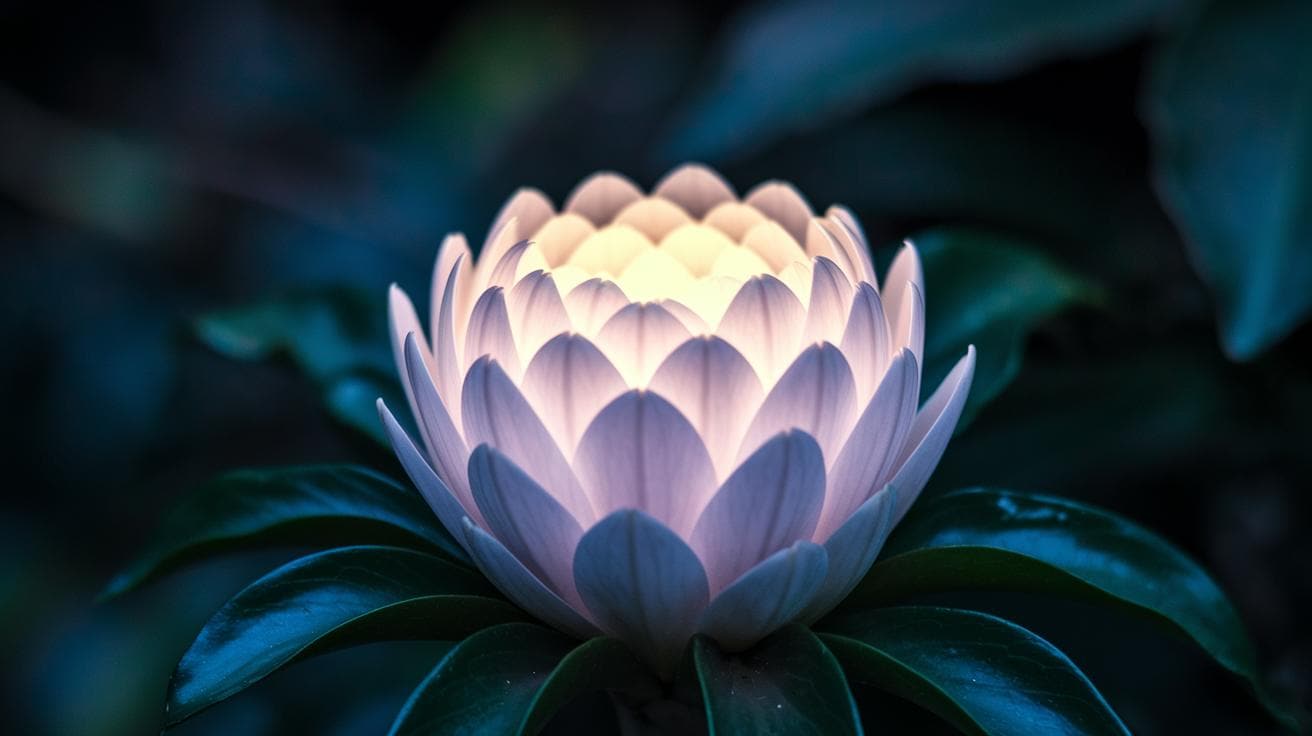
Have you ever watched a bloom awaken under a moonlit sky? The Queen of the Night Flower unfurls six-inch white petals in perfect silence, just as you drift off. Softly glowing.
Its honeyed scent (a gentle sweet aroma) drifts through the cool night air, coaxing you to breathe in calm. It feels like a friend’s soothing hushed voice.
Oops, let me rephrase… that sudden glow isn’t just pretty. It’s an invitation. It asks you to pause, set down heavy thoughts, and really feel the night.
By the way, I once caught this bloom in a moonlit dream, and I swear I felt my heart unclench. So let’s explore how this starlit blossom invites you to release old grief and welcome gentle renewal.
Queen of the Night Flower Spiritual Meaning Inspires
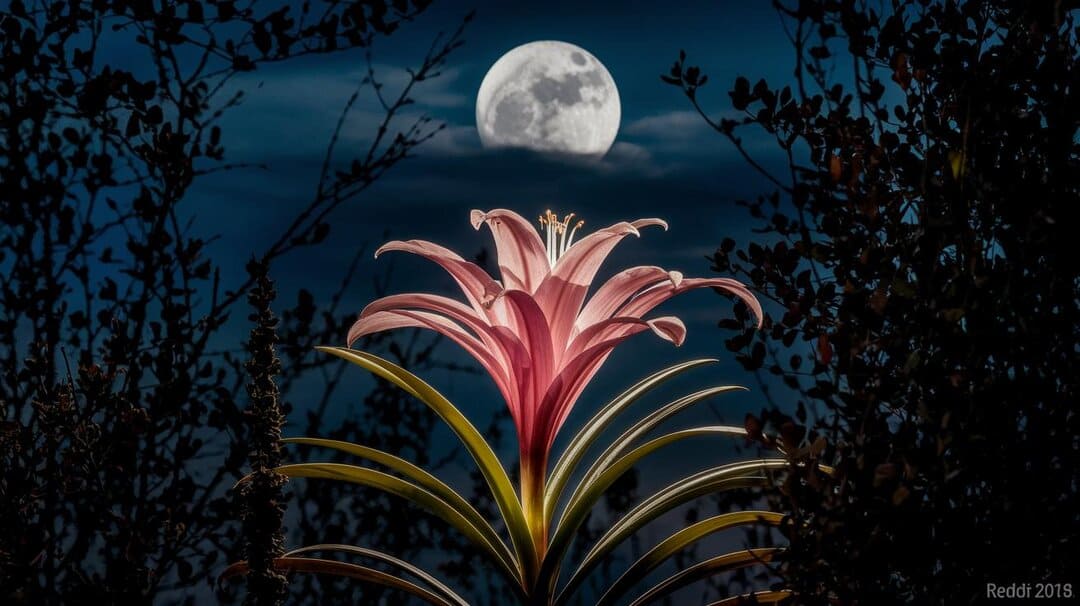
And at dusk the Queen of the Night Flower (Epiphyllum oxypetalum, a cactus bloom) quietly opens its six-inch white petals. You might hear the gentle rustle of soft leaves as a heady, night-breeze perfume drifts out. Moths and moonlight seekers gather in that warm glow. It’s like a secret celebration - um, a tiny dance in the dark.
Under starlight, its glow feels almost magical. One moment it’s a closed bud, the next it’s spread wide, inviting you to feel each breath. Oops, let me rephrase... that sudden bloom whispers “thank you for being here now.” Softly glowing and gone by dawn, it reminds you that life’s beauty can be as fleeting as morning mist.
Each petal’s unfurling is a gentle nudge to let go of old patterns. Feel the light perfume swirl around you - it’s the Queen of the Night Flower spiritual meaning offering a chance to release stuck emotions. You might notice a soft flutter in your chest when the scent touches your skin. That’s an invitation to breathe out worry and breathe in gratitude.
Have you ever felt a small flutter when you glimpse moonlit petals? That’s the spiritual awakening bud stirring your inner vision, as if your Third Eye (the intuition center in your forehead) is whispering, “You’re ready to see things differently.” In that quiet space between night and dawn, you find a softer self-acceptance.
This bloom often turns into an emotional healing moment, wrapping tender places in lunar light. It helps you sit with a gentle sadness and then let the night breeze carry it away. With each exhale, you invite in renewal, finding new strength in vulnerability.
In essence, this rare cactus bloom becomes a living mirror - showing you how to thrive by leaning into darkness, trusting transformation, and welcoming each morning with an open heart.
Cultural Myths and Nocturnal Legends of the Queen of the Night Flower
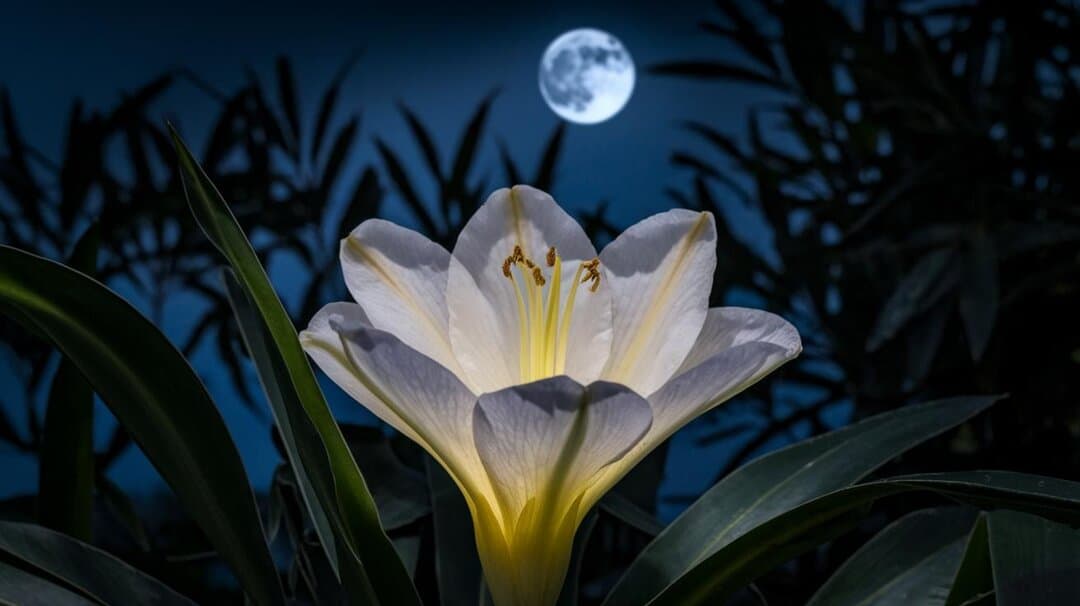
I first heard the story of Epiphyllum whispered by candlelight. She was a moon goddess who fell head over heels for a human - so much that she chose to open her petals only at night, as a quiet vow of loyalty and sacrifice. Under the silvery moon glow, her blossoms shivered open like a soft sigh, showing that true love can outlast the sunrise. Softly glowing.
In southern China, folks call the Queen of the Night tan hua or keng hua. They believe spotting one bloom means good luck and prosperity - like a small, um, gift from the moon. I can almost see neighbors gathering under the stars, hushed and excited, waiting for that single white blossom to unfurl. It’s like a secret garden party every night.
During the Qing Dynasty, storytellers spun tales of hopping jiangshi (stiff corpses in folklore) lured by the flower’s heady scent. They said its sudden glow stirred the flow of qi (life force) and guided wandering spirits toward renewal rather than fear. Hmm, that sounds strangely comforting.
And then there’s the Celtic Samhain story from Ireland’s old firesides. At the exact moment when the veil between worlds thins, the Queen of the Night stretches her petals, touching both sides of reality with a soft, pale light. Have you ever felt a flutter when day and night collide like that? It’s a gentle reminder that magic can live right in our midnight gardens.
Energetic Qualities and Chakra Connections of the Queen of the Night Flower
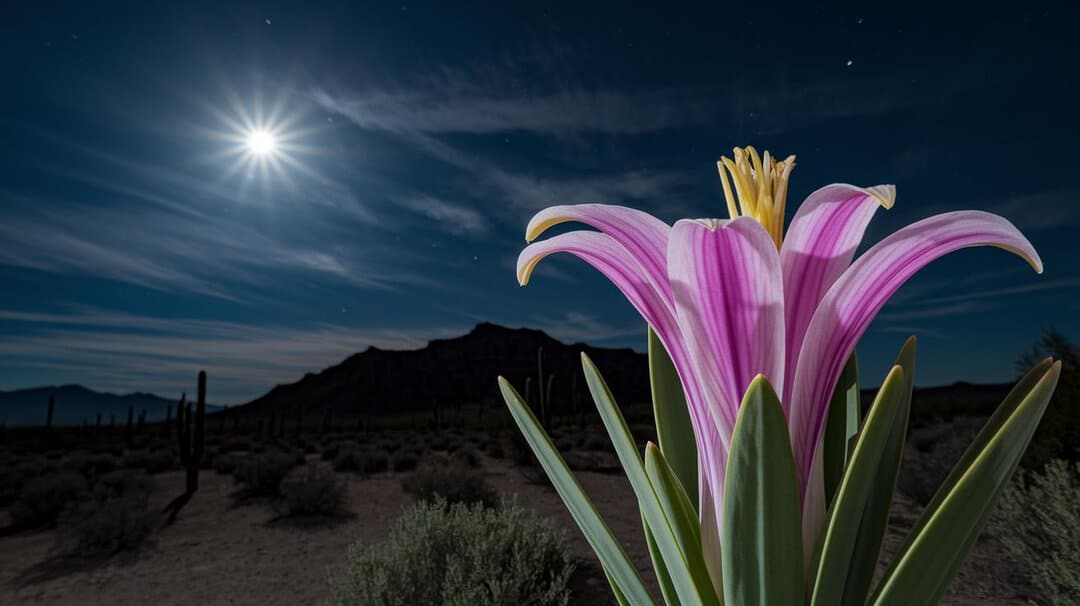
Under the warm glow of moonlight, the Queen of the Night flower essence softly grounds your subtle sensitivities. It gently strengthens your root chakra (energy center at the base of your spine) so you can stay calm and present.
Oops, have you ever felt a gentle tug in your lower belly? That’s your energy settling, like a soft lunar hug inviting you to revisit those breathing, gratitude, and emotional openness practices we mentioned earlier.
Ritual Uses and Meditation Techniques Featuring Queen of the Night Blooms
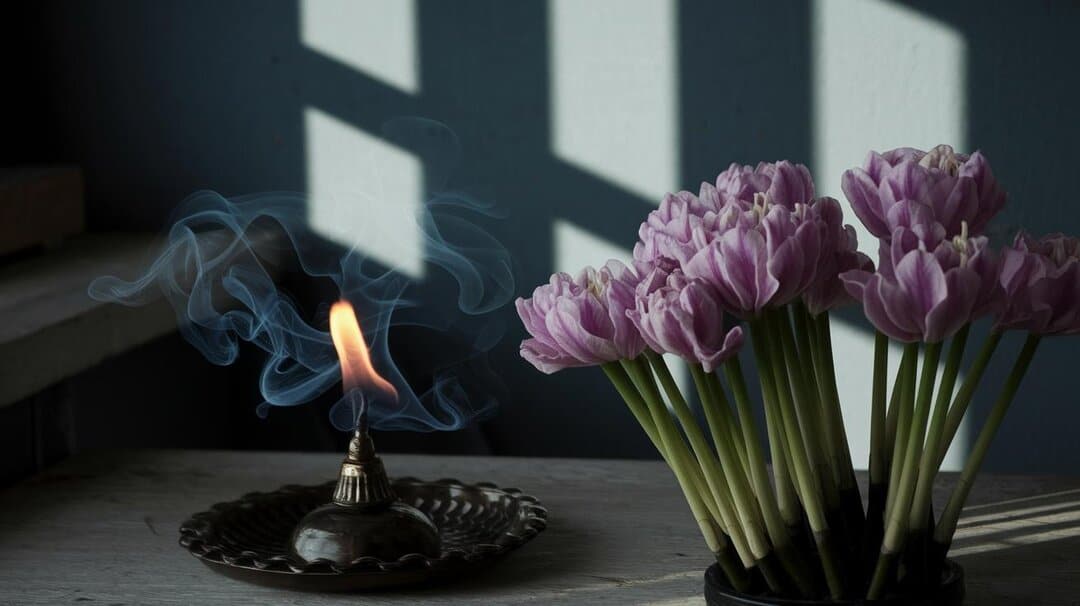
Under the pale moon glow, the Queen of the Night flower opens for just one night. Have you ever felt the hush of night wrap around you like a soft blanket? Find a quiet spot in your garden or by a window facing that glow. Sit comfortably and hold a fresh petal, its cool, silky touch anchors you.
Breathe with the Blossom
Close your eyes and inhale the flower’s sweet scent, you know? Feel each slow breath carry that nighttime perfume deep into your lungs. You might sense your chest opening wide, kind of like a flower greeting dusk.Light a Moonlit Incense Blend
Crush a few dried petals and stir them into sandalwood or frankincense. Oops, let me rephrase… mix them gently so the blend holds that sweet essence. As wisps of smoke rise, let them drift across your skin, clearing away tension.Smudge Your Space with Petals
Dip a petal or two in warm water and add a pinch of sage or palo santo. Wave the mix gently around you to cleanse your space with smudging (cleansing with smoke). Um, feel the air shift, as if tiny moth wings are brushing past.
On a new-moon (when the moon is dark) or full-moon night, place blooms around your altar or bedside. Light a small candle and meditate on rebirth as the petals fade. Notice how their scent and sight become a simple ceremony of letting go and welcoming fresh starts.
That’s, like, the whole point of these tiny moonlit rituals.
Practical Guidance for Cultivating Queen of the Night Flowers Under Moonlight
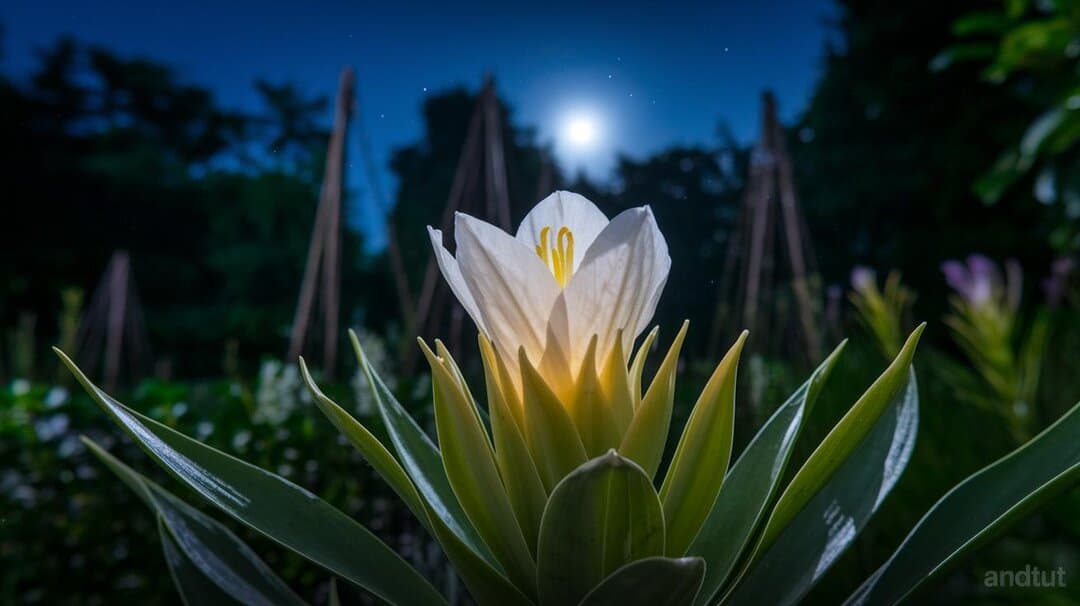
Let’s find a bright corner in your home where direct rays won’t scorch the petals. Soft, dappled light helps your Queen of the Night (a night-blooming cactus) feel cozy, almost like a little rainforest on your windowsill. The gentle glow reminds me of moonlit shadows.
Have you ever watched these petals unfurl by moonlight?
Your soil needs to breathe. Keep it loose and slightly acidic, around pH 5.5 to 6.5 (that’s a mild tang). A porous clay pot gives roots room to air out. Add a scoop of organic compost or low-nitrogen plant food for steady, gentle growth.
These blooms love warmth and humidity. Aim for 50°F to 90°F and at least 50% humidity. When the air is dry, mist around the pot, feel that soft mist on your skin? It helps mimic a moonlit jungle night.
Water only when the top inch of soil is dry. Overwatering can cause root rot and ugly fungus. Um, I once forgot and…oops, let me rephrase… I learned to check with my finger first. That simple touch test saves your plant every time.
Keep an eye out for mealybugs, spider mites, or powdery mildew. A quick wipe with alcohol on a cotton swab can do wonders. You can also invite ladybugs for a natural pest patrol, nature’s tiny warriors.
Want more blooms? Snip a four-to-six inch stem and let it callous for a day. Dip the end in rooting hormone (a powder that sparks root growth) and tuck it into a cool, lightly moistened tray or pot. Keep it misty but not soggy until tiny roots appear, then move it under soft moonlight.
| Parameter | Ideal Range |
|---|---|
| Soil pH | 5.5 – 6.5 |
| Temperature | 50°F – 90°F |
| Humidity | > 50% |
Have you marked your full-moon dates yet? Use a garden journal to note which lunar phase brings the biggest blossom. Next, plan moonlit care nights with a bloom guide, this ritual turns plant tending into magical practice. Namaste.
Representation in Art, Literature, and Popular Culture of the Queen of the Night Flower

In Crazy Rich Asians, the queen of the night cactus flower (epiphyllum, a type of cactus) opens under a velvet sky. It feels like a secret spell, soft moonlight grazing white petals on a mansion terrace. We hold our breath. It hints at hidden glamour and social power. Local artists even paint that glowing scene in fan art and gallery prints.
Poets and songwriters lean into its brief bloom. They write about fleeting beauty and hidden desire. One lyric paints a single white petal like a shy confession whispered under midnight skies. Have you ever felt dawn’s hush slipping in, bringing that delicious ache of change? Oops, let me rephrase… One song says one night can heal a thousand wounds, just like that fragile opening.
On social media, enthusiasts swap midnight snapshots under #NightCereus and #MoonlitBloom. It’s like a hushed watch party for nature’s most delicate show. Photographers set timers, hoping to catch petals as they yawn open. Gardeners trade tips on syncing bloom alerts to moon-phase calendars. And yes, they giggle over the excitement of being the first to share that soft glow.
There’s a popular quote about epiphyllum likening its sudden unfurling to a flash of insight, an um, gentle jolt awake to everyday miracles. That bright sparkle feels as brief as a newborn star. Writers often use that image of a white cactus bloom as an invitation to pause and notice small miracles. Namaste.
Journaling Prompts and Reflective Practices Inspired by the Night-Blooming Cereus
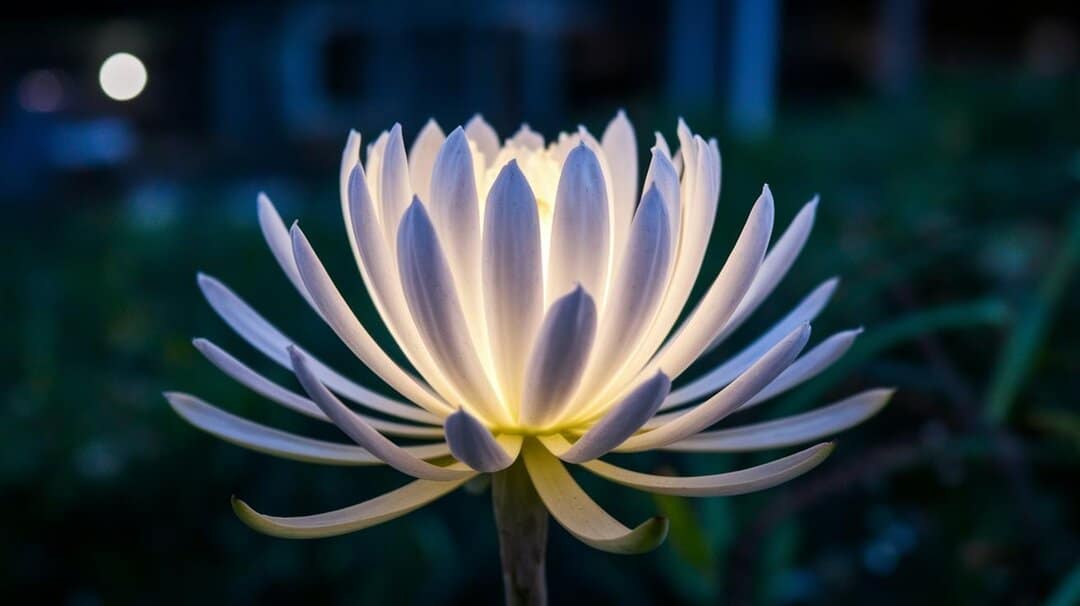
Have you ever watched the Queen of the Night flower open for just one evening? Its soft white petals glow under a starry sky, then fold away before dawn. And that brief beauty nudges us to pause. So find a cozy spot in the cool night air, feel the gentle breeze on your skin, and write about a moment that was short-lived yet shining bright.
Next, grab a fresh page and draw two columns. In the first, list times you felt dormant, like you were waiting for something to happen. In the second, note when you burst with energy and life. Jot down how each quiet pause readied you for your own big bloom.
Think back to a season when you felt emotionally or creatively parched. What brought you a drop of hope, a friend’s hug or a small surprise? Imagine planting tiny seeds of resilience in that dry soil, just as this cactus does in desert nights.
Close your eyes and breathe in the fading scent of a petal. See its soft curve and remember how it felt, joyful, wondrous, even a little bittersweet. Those gentle endings teach us to honor every chapter, no matter how brief.
Then, when the next full moon glows above, pull out your journal again. Write by its soft light, letting hidden patterns and surprise messages slip onto the page. Namaste.
Final Words
In soaking up its midnight bloom’s fragrance and gentle glow we saw how it mirrors life’s fleeting moments, ancient myths, and the subtle ways its petals can open our hearts and third eye.
We explored moonlit rituals, care tips under soft moonbeams, and creative prompts for journaling beneath its ivory radiance.
Holding the queen of the night flower spiritual meaning close reminds us every brief burst of beauty brings healing and awakening.
Soft moonbeams await your next moment of quiet awe.
FAQ
What is the spiritual meaning and symbolism of the Queen of the Night flower?
The Queen of the Night flower carries spiritual meaning of impermanence, renewal, and inner growth. Its rare white bloom suggests purity and clarity, while red varieties evoke passion and heart-centered love.
When does the Queen of the Night flower bloom?
The Queen of the Night flower opens after sunset and wilts by dawn, lasting a single evening, often on warm summer nights.
Is the Queen of the Night flower poisonous?
The Queen of the Night flower is not known to be toxic to humans or pets, though ingesting cactus tissues may cause mild stomach upset. Handle it gently to avoid sharp spines.
How much does a Queen of the Night plant typically cost?
A young Queen of the Night cactus usually sells for $15 to $50, while mature or rare specimens can range from $75 to $150, depending on size and availability.
Are there any superstitions about the Queen of the Night flower?
The Queen of the Night flower is linked to superstitions that say witnessing its bloom brings good fortune or personal insight. Some cultures hold that catching its fleeting radiance grants wishes or positive change.