Canker Sores and the Spiritual Meaning of Unspoken Words
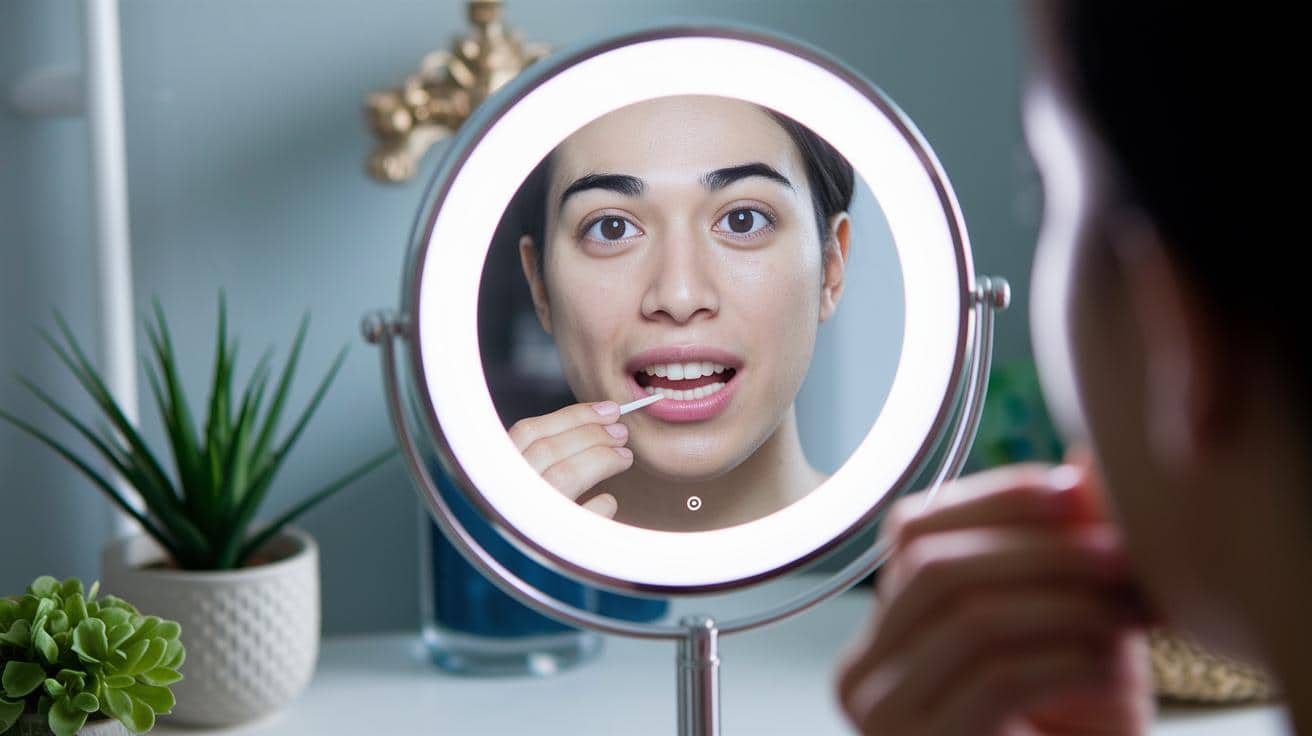
The spiritual meaning of canker sores or mouth ulcers is sometimes explored through the image of words left unsaid. You can use that image for personal reflection, but a sore is not evidence of blocked energy, hidden guilt or spiritual failure. It deserves ordinary dental or medical attention.
When your mouth hurts, even lunch or a conversation can feel like work. I would rather start there than ask you to search for a secret lesson. If writing about your feelings helps, there is room for that too. You do not need to solve an emotional puzzle to deserve relief.
Care for the sore before looking for a message
The NHS guide to mouth ulcers says most clear within one or two weeks. See a dentist or doctor if a sore lasts over three weeks, is unusually large or different, bleeds, or becomes increasingly red and painful. Repeated sores are also worth discussing with a clinician.
Possible triggers include irritation from a sharp tooth or biting your cheek, as well as stress and other factors. That does not establish an emotional cause in your case. A pharmacist can advise on suitable relief; avoid foods or drinks that sting and use a soft toothbrush. Do not stop a prescribed medicine because you think it may be involved: ask the prescriber.
Canker sores and cold sores are different. Cold sores are caused by herpes simplex and can spread to others. They often begin with tingling and develop into blisters. If you are unsure what a lesion is, seek professional advice instead of using a spiritual interpretation to identify it.
Why mouth sores become a symbol of unspoken words
The mouth is where we speak, eat, laugh and ask for what we need. That makes it an understandable image for communication. In some chakra-based practices, people associate the throat region with self-expression and use blue as a reminder of that theme.
As a metaphor, “What am I finding hard to say?” can be useful. As a diagnosis, “Your silence caused this ulcer” is unfair and unsupported. The location of a sore cannot tell you which relationship needs attention, whether you are carrying past-life trauma or whether an energy field needs cleansing.
Our reflection on a sore throat and finding your voice explores a related theme. The symptoms are different, so keep the practical care for each separate.
Notice patterns without blaming yourself
Both discomfort and a difficult week can take up a lot of mental space. You might notice a sore around a presentation, family disagreement or busy stretch. Record what happened if that helps you explain the pattern to your dentist; timing alone does not prove that a feeling produced the sore.
Keep two small columns in a notebook. In one, note when the sore appeared, how long it lasted and any irritation you noticed. In the other, write what was happening in your day and what support you wanted. The first column may help a clinical conversation. The second belongs to your own reflection.
You can leave either column unfinished. A journal should not become a daily search for something you did wrong. If symptoms persist, arrange care rather than extending the journal experiment.
A gentle exercise for words you want to say
Choose one situation that feels manageable. You do not have to revisit a painful memory or disclose something private. Write these prompts in whatever words sound like you:
- “What I wish someone understood is…” Describe the present situation without explaining your whole life.
- “What would help me today is…” Make the request small enough to act on, such as a quieter evening or help with an appointment.
- “I could say it this way…” Draft a sentence for a trusted person, or keep it for yourself.
For example, “I am worn out and could use some company” says more than forcing a cheerful answer. You can send a message if speaking hurts. Honest communication is worthwhile whether or not the sore changes.
If jaw tension is another concern, our guide to jaw tension and reflection keeps emotional questions alongside appropriate care. One symptom should not become a spiritual explanation for another.
What prayer, meditation and meaningful objects can offer
A quiet prayer for patience, a few lines of gratitude or a moment of comfortable, ordinary breathing can be a personal pause. There is no need to chant through pain, hold your breath or complete a ritual sequence. “I am allowed to ask for help” is enough of an intention.
A blue stone can remind you of a conversation you want to have; it cannot treat an ulcer. Do not put crystals, essential oils, fresh plant gels or improvised remedies on a sore. Ask a pharmacist or clinician about products intended for the mouth. Smoke, cleansing ceremonies and energy readings are not substitutes for assessment.
There is also no need to interpret recurring sores as karma or a damaged aura. Within this site's spiritual reflections, the most helpful meaning is one you can set down when it stops helping. You are allowed to care for your mouth and leave the symbolism alone.
Questions about mouth ulcers and spiritual meaning
What do canker sores mean spiritually?
Some people use mouth sores as a metaphor for difficulty expressing themselves. This is an optional reflection, not evidence of an emotional or spiritual cause.
Are mouth ulcers a sign that I am holding back my feelings?
A mouth ulcer cannot establish that. You can explore communication if it matters to you while getting appropriate care for the sore.
Can crystals or affirmations heal canker sores?
They are not treatments for mouth ulcers. A meaningful object or kind phrase may support reflection, but use suitable dental care and seek advice for persistent or unusual sores.
Are canker sores the same as cold sores?
No. Cold sores are caused by herpes simplex and are contagious. Ask a clinician or pharmacist if you are unsure what kind of sore you have.
When should I get a mouth ulcer checked?
See a dentist or doctor for a sore lasting more than three weeks, or one that is unusual, bleeding, increasingly red or painful. Discuss recurring sores with a clinician too.